Silk Road Maritime Shipping Routes Reach 153 Ports, Strengthening China-Europe Trade and Global Supply Chains
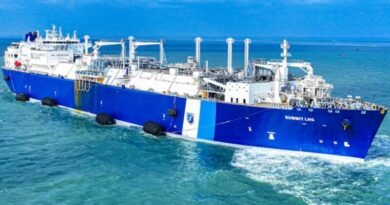
A cargo vessel carrying Chinese goods is sailing into Poland’s Gdansk Port, one of Europe’s largest deep-water container terminals. For decades, the port has served as an important hub for trade between Europe and Asia. This year, Gdansk gained a new role as the first European port to receive an officially designated Silk Road Maritime shipping route, thereby strengthening China-Europe trade, maritime logistics, and global supply chain connectivity.
The new route was unveiled at the 8th Silk Road Maritime International Cooperation Forum, held in Xiamen, East China’s Fujian Province, from September 8 to 9. The development highlights the growing role of international shipping, container transportation and port connectivity in supporting global trade amid increasing uncertainty.
A Polish logistics executive said the new route represents more than another connection on the shipping map. It strengthens links between sea and rail transportation, China and the European Union, and two markets whose trade relationships are becoming increasingly complex and interconnected.
“Gdansk is the largest deep-water container terminal in the Baltic Sea and the final stop of China’s maritime container trunk line to Europe,” said Zhang Bijun, chief representative of the Port of Gdansk Authority’s Shanghai office, at the forum. She added that the new route further strengthens Gdansk’s role as a gateway to Europe.
Zhang noted that Poland handles around 80 percent of the cargo entering the EU through the China-Europe Railway Express. The addition of a Silk Road Maritime route to Gdansk creates a seamless two-way logistics channel that could help Polish agricultural products, cosmetics and other premium goods reach the Chinese market more efficiently.
The combination of maritime and rail transportation is particularly significant for international logistics, providing closer links between shipping routes and inland freight networks. For businesses involved in global trade and supply chain management, the connection creates another channel for moving goods between China and Europe.
The expanding network was a major focus of the Xiamen forum, which brought together shipping lines, port authorities and logistics companies from around the world to discuss ways of maintaining stable trade in an uncertain era.
Representatives at the forum described Silk Road Maritime as more than a shipping brand, presenting it as a platform for international cooperation and connectivity. They said open cooperation can help create durable links between markets despite increasing fragmentation in the global trading environment.
Jan Van der Borght, port representative of the Antwerp-Bruges Port Authority, described the Silk Road Maritime platform as “a very good cooperation mechanism” and a useful model for Europe-China cooperation.

Speaking at the forum’s press conference, Van der Borght said China’s shipping sector has been moving quickly to adopt technologies associated with decarbonization and digitalization, while also improving transport efficiency and cooperation across borders.
“That’s really impressive,” he said.
Van der Borght expressed hope that the Silk Road Maritime platform would provide opportunities for Europe and China to deepen cooperation in port digitalization, artificial intelligence, green transition and supply chain resilience.
These technologies and approaches are becoming increasingly important to the maritime industry as ports and shipping companies seek greater efficiency while responding to the changing requirements of international trade.
The Gdansk route also reinforces the importance of deep-water container terminals in international maritime trade. As shipping networks increasingly connect with rail transportation, ports are becoming critical points for facilitating the movement of goods between major markets.
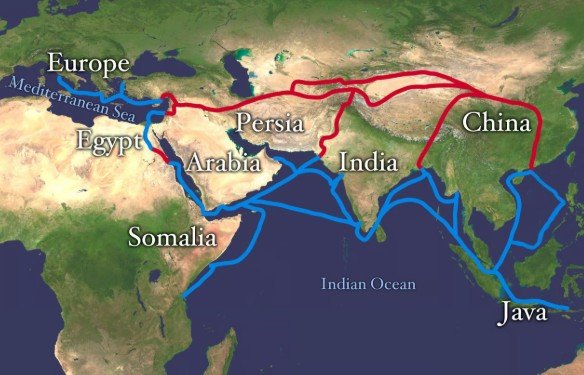
The Silk Road Maritime network now spans 153 ports, demonstrating the scale of its international reach. The inclusion of Gdansk extends the officially named network into Europe and strengthens the maritime connection between China and the European Union.
For Poland, the new route could provide additional opportunities for two-way trade, including the movement of agricultural products, cosmetics and other premium goods to China. At the same time, the route strengthens Gdansk’s position within the China-Europe maritime logistics network.
The forum’s discussions also highlighted the changing priorities of the global maritime industry. Digitalization, artificial intelligence, green transition, decarbonization and supply chain resilience are increasingly important areas of cooperation between ports and shipping-related organizations.
With Gdansk becoming the first European port to receive an officially named Silk Road Maritime shipping route, the development adds another connection between Europe and Asia. It also reflects the continuing expansion of maritime and multimodal logistics links supporting China-Europe trade and global shipping.
Recommended Stories
- China Highlights Global South Cooperation, AI Development and South China Sea Position
- Cargo Vessel Fire at East China Shipyard Kills 25 During Repair Operations
- SeaDream Yacht Club Orders New Luxury Cruise Ship SeaDream III from China Merchants
- China and Russia Expand Arctic Trade as Northern Sea Route Gains Global Shipping Importance