Supertanker Shortage Pushes Oil Shipping Rates to Record Levels
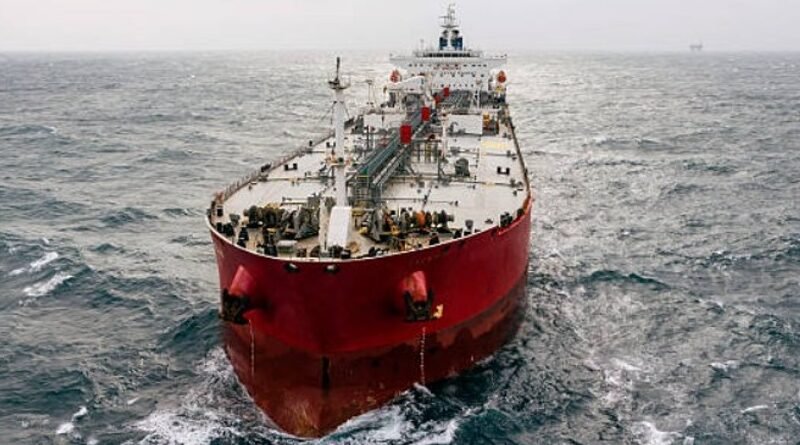
Oil shipping rates have surged to record levels as a shortage of supertankers grips global energy markets amid disruptions linked to the Iran war. Chartering a Very Large Crude Carrier (VLCC) for a voyage from the Persian Gulf through the Strait of Hormuz exceeded $1 million a day earlier this month. At that rate, shipping costs add about $26 to every barrel of crude oil, nearly one-quarter of the oil’s market value.
The sharp rise in tanker rates reflects mounting pressure on the global oil transportation network. Longer voyages and shuttle operations around the Strait of Hormuz are keeping vessels occupied, reducing the number of oil tankers available for charter and increasing freight costs.
Saudi Pipeline Disruption Tightens Tanker Capacity
Drone strikes earlier this month knocked out Saudi Arabia’s bypass pipeline, forcing crude that would normally have avoided the Strait of Hormuz back onto an already heavily utilized tanker fleet.
The disruption has increased reliance on seaborne transportation through the Gulf, adding pressure to available VLCC capacity.

Higher Shipping Costs Pressure Refiners
The tanker shortage is now affecting the economics of the wider oil supply chain. Record freight rates are squeezing refinery margins, while slower crude deliveries could keep fuel prices elevated even if international oil prices decline.
For refiners, traders and energy companies, transportation has therefore become a larger component of the delivered cost of crude oil.
Shipping Companies Remain Cautious on Hormuz
Tanker operators had already been reluctant to resume normal transit through the Strait of Hormuz before the latest pipeline disruption.
Following a U.S.-Iran peace framework announced in June, shipping companies indicated that a provisional agreement to halt hostilities was not enough to immediately restore normal tanker movements. Jotaro Tamura, CEO of Mitsui O.S.K. Lines, said a practical security arrangement would be necessary before shipping lines could feel comfortable returning to regular operations.
BIMCO also warned that the Strait of Hormuz remained dangerous, identifying uncleared mines as a primary hazard. Norway’s shipowners’ association separately raised concerns about transit arrangements and the extent to which shipping lanes may have been mined.
Hormuz Remains a Critical Energy Shipping Route
Before the conflict began, the Strait of Hormuz handled close to 20% of global seaborne oil and liquefied natural gas flows, making it a critical corridor for international energy transportation.
Conflicts involving Iran and Ukraine have also reduced oil flows from the Persian Gulf region and Russia, tightening the global supply pool and contributing to higher energy prices. Recent shipping data shows that commercial vessel traffic through Hormuz has remained substantially below pre-war levels.
Iran Reports Tanker Strike
Iran said it struck an oil tanker attempting to pass through the Strait of Hormuz last Thursday night. The statement came as security concerns continued to affect commercial shipping activity in the strategic waterway.
The combination of restricted vessel movements, longer voyages and heightened maritime security risks is adding pressure to an already expensive tanker market.
Read:HMM Expands Global Shipping Fleet with $1.1 Billion Investment in Bulk Carriers and Gas Vessels
Shipping Market Impact
The current market demonstrates how disruption at a major maritime chokepoint can quickly affect oil shipping rates, freight costs and energy markets. With fewer vessels readily available for charter, every additional voyage or delay can further tighten tanker capacity.
For the shipping industry, the situation also highlights the financial impact of maritime security risks. Elevated VLCC rates increase transportation expenses for crude oil and can influence refinery margins, trading costs and the final price of energy products.