HMM Expands Global Shipping Fleet with $1.1 Billion Investment in Bulk Carriers and Gas Vessels
South Korean shipping giant HMM has unveiled a major fleet expansion plan worth KRW1.7 trillion ($1.1 billion), ordering 10 new vessels as the company accelerates its strategy to diversify beyond its traditional container shipping business.
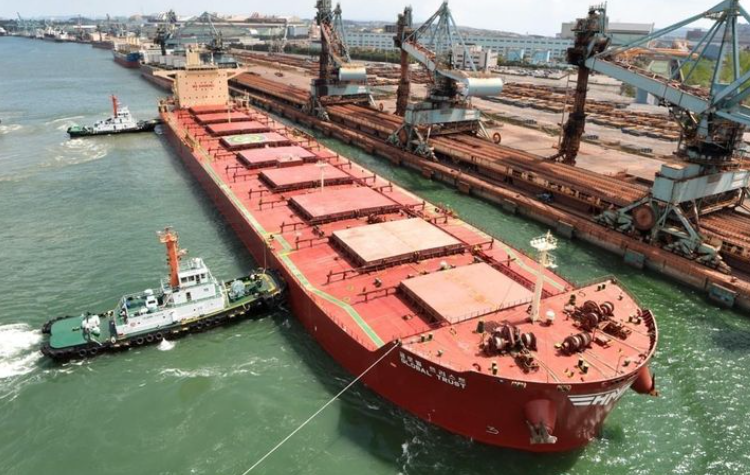
The latest investment includes the construction of eight bulk carriers and two gas carriers, marking another significant step in HMM’s long-term growth strategy aimed at strengthening its presence across multiple maritime sectors, including dry bulk shipping, tanker operations, gas transportation, and container logistics.
While HMM has not disclosed the shipyards selected for the project or detailed technical specifications of the vessels in the English version of its regulatory filing, the order highlights the company’s continued commitment to expanding its global shipping footprint amid evolving maritime trade demands.
The newbuilding program follows several recent vessel acquisitions and shipbuilding investments by the Seoul-listed carrier. Earlier this year, HMM was linked to an order for 10 feeder containerships at HD Hyundai Heavy Industries in a deal estimated at approximately $550 million. The vessels were reported to be conventionally fueled 2,800-TEU containerships scheduled for delivery through 2028.
In addition, the shipping line currently has a series of 1,800-TEU and 3,000-TEU container vessels under construction at Huanghai Shipbuilding, reinforcing its position in regional and international container transport markets.
Last month, HMM was also associated with an order for four Very Large Crude Carrier (VLCC) newbuildings at Hengli Heavy Industry in China. The 306,000-deadweight-ton crude oil tankers were reportedly valued at around $125 million each, signaling the company’s growing interest in the global tanker shipping sector.
The latest orders align with HMM’s ambitious 2030 growth strategy, under which the company plans to invest KRW5.6 trillion in bulk shipping operations. The expansion plan is designed to reduce reliance on container shipping revenues while building a more balanced and resilient maritime portfolio.
As part of the initiative, HMM aims to increase its dry bulk fleet from 36 vessels to 110 ships, representing approximately 12.56 million deadweight tons (dwt). The company is simultaneously working to strengthen its exposure to both dry bulk and tanker markets, positioning itself to capitalize on future opportunities in global commodity transportation and energy shipping.
Industry analysts view the continued fleet expansion as a strategic move that could enhance HMM’s competitiveness across key shipping segments while supporting long-term growth in international maritime trade, bulk cargo transportation, and energy logistics.
Read: Korea and US Deepen Maritime Alliance with $150 Billion Shipbuilding Partnership