Iran Offers Deal to Reopen Strait of Hormuz as Trump Rejects Proposal
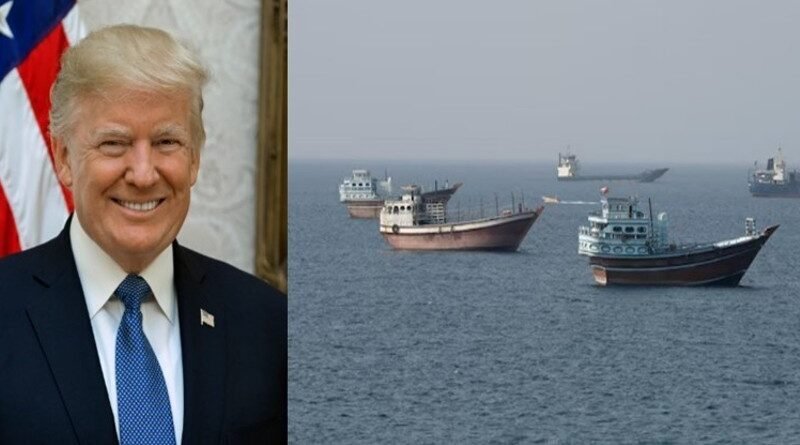
Iran has offered a seven-day deal to reopen the Strait of Hormuz, a critical route for global shipping, oil transportation and energy trade, but US President Donald Trump has rejected the proposal. Iranian Foreign Minister Abbas Araghchi said the plan could restore commercial shipping and maritime traffic through the strategic waterway if the United States accepts Tehran’s conditions.
The proposal was delivered to Washington through Qatar and is based partly on a memorandum of understanding (MOU) reached in June. Araghchi said the Strait of Hormuz could reopen within seven days if the required conditions were met. Trump, speaking to reporters outside the White House on Saturday, said: “I reject their proposal.”

Iran’s Seven-Day Maritime Reopening Plan
Under Tehran’s proposal, the seven-day process would begin once Washington accepts the plan. Araghchi said the initial measures would take about four to five days, with the Strait of Hormuz reopening on the sixth day. Talks with the United States on a final agreement would then begin on the seventh day.
The plan includes a seven-day cessation of hostilities across the Middle East, including Lebanon. Iran is also seeking measures involving the US naval blockade of Iranian ports and sanctions affecting Iranian oil sales.
June MOU Forms Basis of Proposal
Iran wants the June MOU to provide the framework for future agreements with the United States and Israel.
The agreement included provisions for the release of frozen Iranian assets estimated at more than US$12 billion, the lifting of sanctions on Iranian oil and an end to the US naval blockade of Iran, according to the supplied report and current reporting on the proposal.
Iranian President Masoud Pezeshkian also said the process could begin from the day Washington accepts the proposal.
“We had previously reached an agreement based on the MOU that was signed in Pakistan,” Pezeshkian said.
Trump Rejects the Proposal
Trump rejected the Iranian proposal while speaking to reporters outside the White House.
Earlier, he had posted an image on Truth Social showing the Strait of Hormuz circled and labelled “Trump Strait.”
The rejection leaves the proposed seven-day framework uncertain and keeps the strategic waterway at the center of the wider US-Iran confrontation.
Why Hormuz Matters to Global Shipping
The Strait of Hormuz is a major international maritime chokepoint and a crucial route for energy transportation. Disruption to vessel movements through the waterway can affect oil markets, tanker operations, shipping costs, energy security and global trade.
For shipping companies and energy markets, the key issue is whether commercial vessels can resume predictable and secure passage. The proposal therefore has implications for international shipping, maritime security, oil transportation and supply chains beyond the immediate US-Iran dispute.
Previous Agreement Collapsed
Washington and Tehran’s June understanding was intended to help end the conflict, reopen the Strait of Hormuz and launch negotiations on Iran’s nuclear programme.
The arrangement later broke down after Iran fired on commercial vessels in the waterway that it accused of deviating from approved routes.
Read:Iran to Declare Restricted Zone near Strait of Hormuz as Maritime Security Tensions Escalate
Iran requires ships to obtain authorization before passing through the strait, citing security and sovereignty concerns. The supplied report says vessels that refuse to comply have been targeted, while the United States has periodically carried out strikes against Iranian coastal areas in retaliation.
What Comes Next for Commercial Shipping
The immediate focus is now on whether the diplomatic proposal can produce an agreement that restores freedom of navigation and stable maritime traffic through Hormuz.
Until the conditions surrounding the proposal are resolved, shipping operators, tanker companies and energy-market participants continue to face uncertainty around one of the world’s most strategically important maritime routes.
Read:Tanker Hit by Unknown Projectile in Strait of Hormuz as Maritime Security Concerns Rise