MPA and Qingdao Port Plan Alternative Marine Fuel Bunkering Pilots
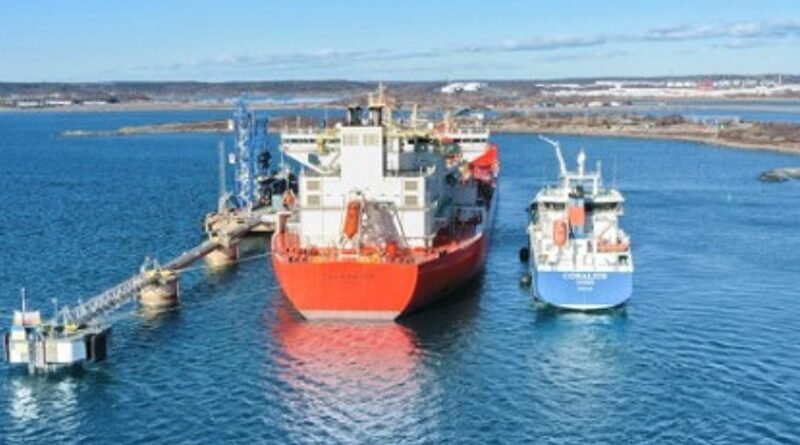
The Maritime and Port Authority of Singapore (MPA) and Qingdao Port are exploring pilot projects for alternative marine fuels, including methanol, on direct shipping routes connecting Singapore and Qingdao. The initiative aims to advance green shipping, reduce maritime emissions and strengthen sustainable maritime transport between Singapore and China.
The proposed projects form part of a new work plan to enhance green and digital shipping cooperation, including the Singapore–Shandong Green and Digital Shipping Corridor. According to MPA, the two ports will examine demonstration projects for zero- and near-zero-emission marine fuels, alongside opportunities to expand methanol bunkering through coordinated demand and shared operational standards.
Strengthening Alternative Fuel Infrastructure and Port Operations
The collaboration will also examine ways to aggregate demand for methanol bunkering and facilitate the exchange of knowledge on bunkering standards and operational procedures. These efforts are intended to support the practical adoption of alternative marine fuels and improve coordination between the two ports.
Another key component of the work plan is maritime digitalisation. MPA and Qingdao Port will explore the exchange of vessel operational data to improve shipping visibility, particularly in vessel arrival forecasting, berth planning and port resource allocation. Better data exchange can support more efficient port operations and strengthen coordination across international shipping routes.
The partnership will further promote joint research and knowledge-sharing on alternative marine fuels and maritime digitalisation. Research institutions, including the Singapore Maritime Institute and China Waterborne Transport Research Institute, will participate in these collaborative efforts.
Green Bunkering and Digitalisation in Maritime Trade
The Singapore–Qingdao initiative reflects the growing importance of combining marine fuel transition, sustainable port development and digital shipping infrastructure. Methanol bunkering pilots could help both ports assess the operational requirements and commercial potential of alternative fuels on direct shipping routes. Meanwhile, vessel data exchange could improve port call efficiency, berth utilisation and maritime supply chain coordination.
The success of these initiatives will depend on effective cooperation between port authorities, shipping companies, fuel suppliers and research institutions. Together, alternative fuel demonstrations and digital port management could strengthen the development of a more sustainable and efficient maritime transport network between Singapore and China.
Read:Fortescue Completes Australia’s First Green Ammonia Bunkering