IMO, World Bank Advance Maritime Digitalization in Africa
Maritime digitalization is gaining momentum across nine West and Central African countries as the International Maritime Organization (IMO) and the World Bank support efforts to improve port efficiency, cargo clearance and international trade. A regional workshop in Accra, Ghana, running from October 19 to 23, 2026, is focusing on digital port systems designed to streamline maritime operations and strengthen regional trade connectivity.
Organized by the IMO, the Africa Transport Policy Program (SSATP) and the World Bank, in partnership with the Ghana Maritime Authority, the workshop is promoting Maritime Single Windows (MSWs) and Port Community Systems (PCSs). These digital platforms can reduce administrative delays, improve the exchange of shipping information and support Africa’s competitiveness in global maritime trade. Their effectiveness, however, depends on coordinated implementation, compatible data standards and cooperation among port authorities, customs agencies and other stakeholders.
Digital Port Systems Target Faster Cargo Clearance
The workshop is promoting the IMO Compendium on Facilitation and Electronic Business, which establishes a framework for structuring and exchanging shipping and port data electronically.
Maritime Single Windows and Port Community Systems are central to these efforts. MSWs provide a digital channel for submitting information required by public authorities, while PCSs support information exchange across the wider port community. Their coordinated use can help simplify documentation and improve the flow of information involved in vessel and cargo clearance.
Maritime Single Windows are mandatory under the IMO’s Facilitation (FAL) Convention, making their implementation an important part of modern maritime administration.
Nine Countries Share Port Digitalization Experience
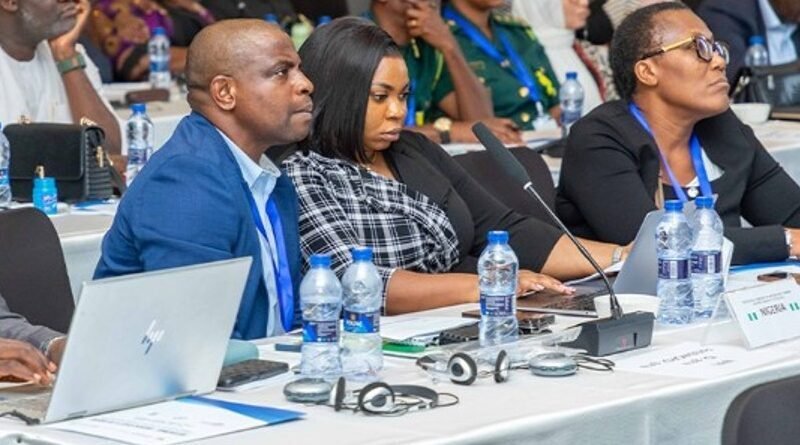
The workshop brought together 55 participants, including 15 women, from maritime administrations, port authorities and customs authorities in Cabo Verde, Equatorial Guinea, The Gambia, Ghana, Guinea-Bissau, Liberia, Nigeria, São Tomé and Príncipe, and Sierra Leone.
Regional and international organizations participating in the initiative included the Port Management Association of West and Central Africa (PMAWCA), the African Development Bank (AfDB), the African Harbour Masters’ Committee (AHMC) and the African Alliance for Electronic Commerce (AAEC).
Sessions examined findings from regional IMO needs assessment missions, including existing ship and cargo clearance arrangements, implementation challenges and recommendations for deploying Maritime Single Windows. Participating countries also presented their port systems to exchange practical experience and discuss opportunities for improvement.
Digital Integration and Port Competitiveness
A major focus was the potential to integrate MSWs and PCSs within a regionally harmonized trade facilitation framework. Better coordination between the systems could reduce duplicated administrative work and improve information exchange among government agencies and commercial port operators.
Participants also explored the policy, financing and institutional requirements for successful implementation, alongside the provisions of the FAL Convention. Discussions drew on the International Association of Ports and Harbors–World Bank study, Port Community Systems: Lessons from Global Experience.
For the maritime industry, digitalization is not simply about introducing new software. Its wider value lies in connecting port processes, improving administrative coordination and making shipping and logistics operations more predictable. Achieving these benefits requires appropriate legal frameworks, institutional leadership and sustained engagement with stakeholders.
Part of Africa’s Wider Maritime Modernization Agenda
The Accra workshop is the third in a regional series, following earlier editions in Abidjan in December 2025 and Dar es Salaam in April 2026.
The initiative aligns with SSATP’s Fourth Development Plan (DP4), which prioritizes digitalization across Africa’s transport and trade corridors. Effective digital port infrastructure is intended to support lower logistics costs, improved operational efficiency and stronger port competitiveness.
The workshop was delivered through the IMO’s Integrated Technical Cooperation Programme (ITCP), in collaboration with the World Bank. It received resources from the Korea–World Bank Partnership Facility (KWPF) and Ghana’s Ministry of Transport.
The initiative also builds on SSATP’s report, Catching Up on Digital Port Infrastructure for Africa, which highlights the importance of a sound legal framework, strong institutional leadership and coordinated stakeholder engagement in implementing Maritime Single Windows.
Read:US Investigates Alleged Cyberattacks on Tankers in Strait of Gibraltar
As participating countries advance their digital port systems, regional coordination and internationally aligned data exchange will remain important to improving maritime trade facilitation and strengthening Africa’s role in global shipping and logistics.