
Drone Incident Near Basra Oil Terminal Briefly Disrupts Iraqi Crude Loading as Exports Continue
Iraq’s crude oil export operations experienced a brief disruption on Thursday after a drone struck an oil tanker near the Basra oil terminal, raising fresh concerns over maritime security in the Gulf and the safety of global energy shipping routes.
According to Iraqi oil and security officials, crude loading activities were temporarily paused as a precaution following the incident. However, export operations resumed shortly afterward after authorities confirmed there was no damage to the tanker and no fire resulted from the drone impact.
The Iraqi Ministry of Oil later clarified that reports suggesting a complete suspension of crude exports from the country’s southern ports were inaccurate. Following an official investigation, the ministry stated that the incident involved a tanker reporting a foreign object in its vicinity, with inspections confirming that neither the vessel nor port infrastructure sustained any damage. Oil loading operations at Basra’s export terminals continued under normal procedures.
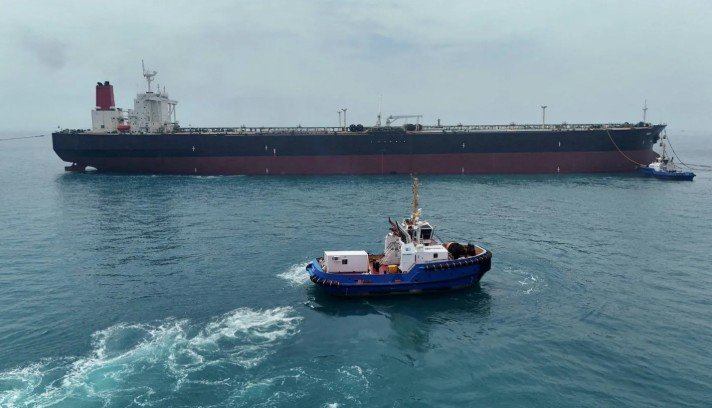
As a precautionary measure, the affected tanker, along with another vessel anchored nearby, was towed outside the port while authorities completed security assessments.
The incident comes just one day after another drone reportedly fell near Iraq’s Faw Port without causing damage or interrupting port operations, highlighting growing concerns over maritime security threats in one of the world’s most strategically important oil-exporting regions.
Meanwhile, energy infrastructure elsewhere in Iraq has also faced heightened security concerns. Dana Gas announced that it had temporarily shut down the main production facilities at the Khor Mor gas field after receiving credible security warnings linked to escalating regional tensions.
The temporary shutdown has reduced gas supplies to electricity generation stations across Iraq’s Kurdistan Region by approximately 2,500 megawatts, according to regional authorities. Officials said the interruption is expected to be temporary, with efforts underway to restore gas flows as soon as security conditions permit.
The latest incidents add to ongoing concerns surrounding Middle East energy security and global oil supply chains. Regional conflicts and security risks have already affected shipping activity through the Strait of Hormuz, one of the world’s busiest maritime chokepoints for crude oil transportation.
Iraq, the second-largest oil producer in OPEC, continues to rely heavily on its southern export terminals while also maintaining exports through the northern Kirkuk–Ceyhan pipeline via Turkey and exploring additional export routes through Syria. Despite rising geopolitical tensions, Iraqi authorities continue to emphasize that crude export operations remain stable and that the country’s key maritime oil infrastructure remains fully operational.