EU Moves Toward Common Fishers’ Training Standards
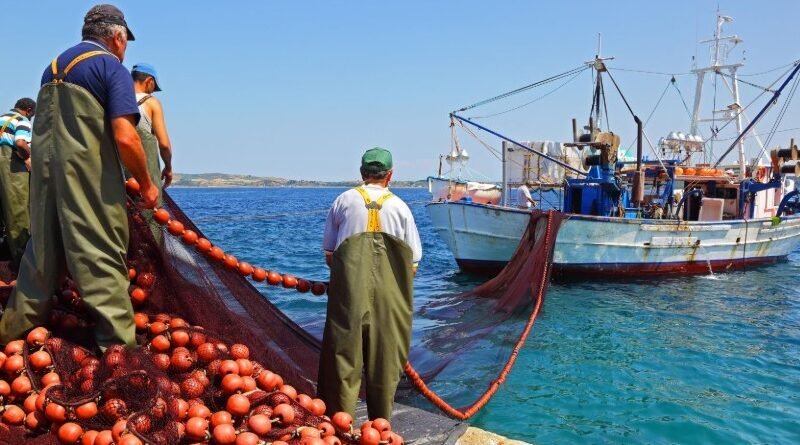
The European Commission has launched a call for evidence on possible EU training and certification standards for fishers working on EU vessels, with the aim of improving maritime safety and making it easier for fishers to work in other Member States.
The initiative focuses on fisher training, certification and safety standards. Stakeholders can submit feedback through the Have Your Say portal until 29 October 2026. An open public consultation will follow before the end of the year and will be available in all official EU languages.
The Commission will also directly consult representatives of the fishing sector, including social partners and advisory councils, as well as national authorities, training institutes and other interested parties.
Fishing Safety and Training Gaps
Fishing is one of the most dangerous occupations in the EU, and the Commission identifies human error as the main cause of serious incidents. More frequent extreme weather events are also increasing risks for fishing crews.
While EU occupational safety and health rules contain training requirements, there are currently no common EU standards covering the training and certification of fishers.
Differences between national systems can make it difficult for fishers to work in another Member State because certificates are not easily recognised between countries, including countries that already have high standards.
The Commission says these differences can limit the fishing sector’s ability to respond to labour shortages and create an uneven playing field for fishers and vessel owners. They also contribute to the perception of fishing as an unskilled occupation, which can discourage young people from entering the profession.
STCW-F Convention Sets International Standards
The International Maritime Organization (IMO) has established international standards for the training, certification and watchkeeping of personnel working on fishing vessels through the STCW-F Convention.
The convention was revised in May 2024. So far, 10 EU Member States have ratified it, although 22 coastal EU Member States have fishing fleets.
The situation differs for merchant shipping. All EU Member States have ratified the equivalent convention for seafarers working on merchant ships, while its standards have been part of EU law since 1994.
Consultation Will Inform Possible EU Legislation
The feedback received through the call for evidence will contribute to an impact assessment examining a possible future legislative proposal.
The assessment will consider the costs and benefits of different options, including the potential administrative burden for fishing businesses, training institutes and national authorities.
A possible legislative proposal is planned for the first quarter of 2028. The current process is therefore focused on gathering evidence and assessing possible approaches rather than introducing new legislation at this stage.
Focus on Fisher Mobility and Workforce Skills
Common training and certification standards could address differences between national systems and make professional qualifications easier to recognise across Member States.
The issue is also connected to the fishing industry’s workforce challenges. The Commission says differences in certification can limit the sector’s ability to respond to labour shortages and make it more difficult for fishers to move between Member States.
Improving professional training and recognition could therefore form part of wider efforts to strengthen maritime workforce skills, although the Commission’s impact assessment will determine the costs and benefits of the available policy options.
EU Fisheries Policy and Future Workforce
The initiative is linked to the Common Fisheries Policy (CFP) and its social sustainability pillar, which aims to ensure a fair standard of living for people who depend on fishing.
In its 2023 Communication on the functioning of the Common Fisheries Policy, the Commission committed to considering a directive to implement the STCW-F Convention in EU law.
The initiative also contributes to the Union of Skills, the Competitiveness Compass and the Quality Jobs Roadmap.
The European Parliament, the North Sea and North Western Waters Advisory Councils, and EU social partners for fisheries have called for common European training and certification standards. The EU social partners for fisheries made their call in July 2026.
What Happens Next
Stakeholders have until 29 October 2026 to submit feedback through the EU’s Have Your Say portal. The Commission will then use the evidence gathered to support its impact assessment of possible approaches to common fisher training and certification.
A public consultation is expected before the end of 2026, followed by further assessment of the possible legislative options. The Commission has planned a possible legislative proposal for the first quarter of 2028.
Read:European Commission Approves €285 Million Italian Aid for Agriculture, Fishing and Aquaculture