Hydrofluoric Acid Incident Disrupts Port of Antwerp Operations as Shipping Activity Gradually Resumes
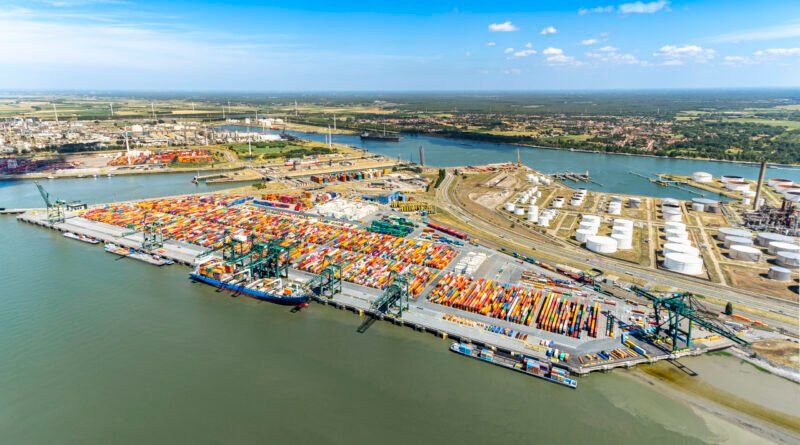
A hydrofluoric acid incident at the Deurganckdock temporarily disrupted cargo operations and vessel movements at the Port of Antwerp, one of Europe’s busiest maritime trade hubs, prompting emergency safety measures and operational restrictions across several terminals.
Port authorities confirmed that emergency response teams have been closely monitoring the situation while implementing strict safety protocols to protect port workers, vessels, and terminal operations. The incident initially affected shipping traffic, inland waterway movements, and container terminal activities on the Left Bank of the port.
According to the latest operational update issued at 15:30 local time on July 15, emergency measurements conducted by the fire service confirmed that all locations have now been cleared except the MPET terminal. As a result, terminals across the port, excluding MPET,have been authorized to resume normal operations.
Authorities also announced that shipping traffic has resumed throughout the Left Bank port area, restoring navigation for commercial vessels after earlier restrictions.
Earlier in the day, at 14:15, officials confirmed that DP World’s Antwerp Gateway terminal had been declared safe, allowing cargo handling activities to restart. Inland waterway traffic was also reopened at the terminal, with inland vessels berthed between berth 1730 and the entrance to the Deurganckdock permitted to depart.
However, operations at MPET (MSC PSA European Terminal) remain suspended while emergency teams continue safety assessments.
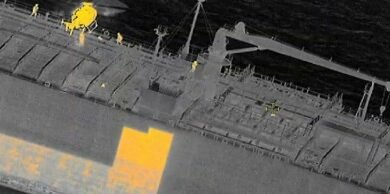
An earlier morning update at 08:30 indicated that the evaporation of hydrofluoric acid had significantly decreased, enabling specialist hazardous materials teams to prepare for the safe removal of the affected container from the vessel.
To safely contain the chemical, emergency responders planned to place a drip tray filled with lime beneath the container before sealing and removing it. Continuous air-quality and safety measurements have been conducted throughout the operation to ensure there is no ongoing risk to personnel or surrounding facilities.
Port authorities stated that the safety perimeter would remain in place until the hazardous container is safely removed and monitoring confirms that the area is free from danger. The restricted zone will then be lifted in phases as conditions permit.
The incident temporarily halted shipping traffic in the affected section of the port, highlighting the importance of hazardous cargo management, maritime safety procedures, and emergency response capabilities at major global container ports. The Port of Antwerp continues to provide operational updates as recovery efforts progress.