International Maritime Organization Calls for Urgent Maritime Security Action in Strait of Hormuz
The Maritime Organization (IMO) is calling for practical solutions and renewed international cooperation to restore freedom of navigation through the Strait of Hormuz, as the continuing Middle East conflict leaves thousands of seafarers facing heightened risks. The IMO’s renewed appeal comes as maritime security threats continue to disrupt international shipping, supply chains and the safe movement of commercial vessels.
For the global shipping industry, the crisis highlights the growing importance of effective maritime security programs, international coordination and stronger protection for seafarers. The IMO Council, meeting in July, reaffirmed that the right of transit passage through straits used for international navigation must not be threatened, impeded, denied, hampered, impaired or suspended.
Thousands of Seafarers Remain Trapped in the Persian Gulf
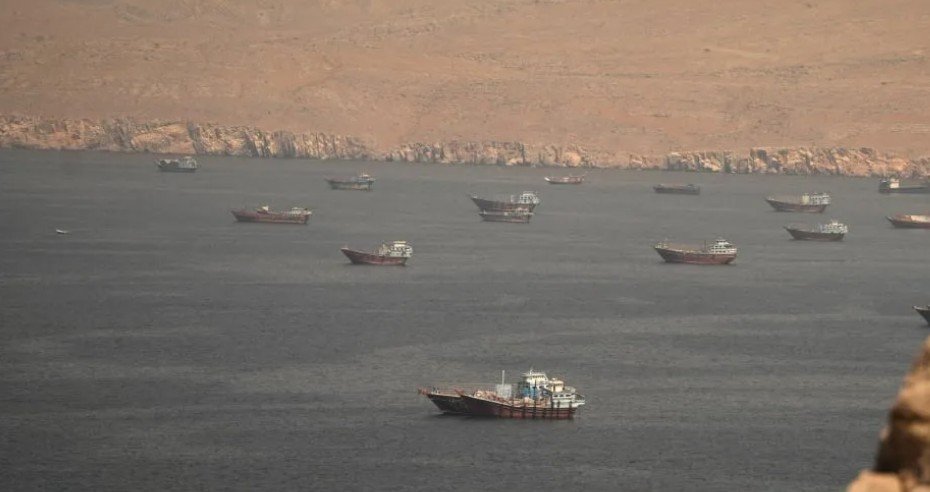
Thousands of seafarers have been stuck in the Persian Gulf since the current conflict in the Middle East began on 28 February this year. To date, at least 70 attacks on international shipping have been verified by IMO, with 19 seafarers killed.
Against this increasingly serious maritime security situation, IMO Secretary-General Arsenio Dominguez has called on Member States and the shipping industry to work together with IMO and the wider United Nations system to develop practical solutions to restore freedom of navigation through the Strait of Hormuz.
In his statement, Dominguez said:
“Six months since the conflict in the Middle East began, the situation in the Strait of Hormuz is unresolved.
“Thousands of seafarers in the region continue to live and work under conditions of heightened risk and uncertainty.
“While some ships and their crews have been able to leave the Persian Gulf, up to 400 ships carrying around 6,000 seafarers have been unable to depart safely since the conflict began.
Global Supply Chains Face Wider Risks
The IMO Secretary-General warned that the consequences of the crisis extend well beyond the shipping sector. The disruption of vital supply chains for fuels, fertilizers and other commodities is creating consequences for communities and economies around the world.
“The impacts of this crisis are grave – both in the short and long term,” Dominguez said.
The Strait of Hormuz is a critical maritime passage for international trade, making continued restrictions on navigation a concern not only for shipowners and seafarers but also for global commodity markets and economies dependent on reliable maritime transportation.
IMO Council Reaffirms Right to Transit Passage
In July, the IMO Council adopted a resolution on the protection of vital shipping lanes. The resolution reaffirmed that the right of transit passage through straits used for international navigation must not be threatened, impeded, denied, hampered, impaired or suspended.
The Council also called for a coordinated and sustainable return to unhindered navigation through the Strait of Hormuz.
Dominguez stressed that renewed political will and cooperation are necessary to turn that commitment into action.
“I call on all Member States and the shipping industry to work together with IMO and the wider United Nations system, to advance practical solutions to restore the freedom of navigation through the Strait,” he said.
Maritime Security is Now a Global Supply-Chain Issue
The Strait of Hormuz crisis demonstrates that maritime security is no longer only a naval or shipping-sector concern. When commercial vessels cannot move safely through a major international waterway, the effects can quickly spread across energy markets, commodity supply chains, insurance costs, vessel operations and seafarer welfare.
From a maritime security perspective, the IMO’s emphasis on practical cooperation is particularly important because commercial shipping depends on predictable access to internationally used sea lanes. A sustained disruption could increase operational risks for shipowners while placing additional pressure on crews already working under dangerous and uncertain conditions.
The situation also reinforces the need for coordinated maritime security programs involving governments, international organizations, naval and maritime authorities, and the shipping industry. Such cooperation can help improve information-sharing, risk assessment and emergency responses while keeping the safety and welfare of seafarers at the center of maritime security planning.
Rising Maritime Security Threats Beyond the Middle East
Dominguez also warned that the deterioration of maritime security is not limited to the Strait of Hormuz.
“The deterioration of maritime security around the globe – from the Black Sea to the Red Sea and Gulf of Aden – is detrimental to us all,” he said.
“But it is particularly distressing for the thousands of innocent seafarers affected.”
The IMO’s warning comes as maritime security challenges continue to emerge across several strategically important shipping regions. For the international maritime industry, restoring safe and unhindered navigation remains essential to protecting seafarers, maintaining global trade flows and reducing the wider economic impact of conflicts on commercial shipping.
Recommended Stories:
- IMO Calls for Urgent Action as Piracy Resurges in Gulf of Aden
- IMO Warns of Growing Red Sea Shipping Risks after TIHAMAH Attack
- IMO Completes First Global Member State Audit Cycle to Strengthen Maritime Compliance
- IMO Warns Red Sea Shipping Attacks Threaten Global Maritime Security, Supply Chains and Freedom of Navigation