Iran Reimposes Closure of Strait of Hormuz amid Ongoing US Port Blockade
Tensions in the Strait of Hormuz crisis, global oil supply disruption, maritime security risk, US naval blockade Iran, oil tanker shipping routes escalated sharply after Iran announced it has once again closed the strategic waterway in response to what it described as a continued US naval blockade of its ports. The move has raised serious concerns across the Middle East shipping crisis, energy market volatility, international maritime trade, oil transit chokepoint, tanker security threat, as nearly 20 percent of the world’s traded oil flows through this narrow corridor.
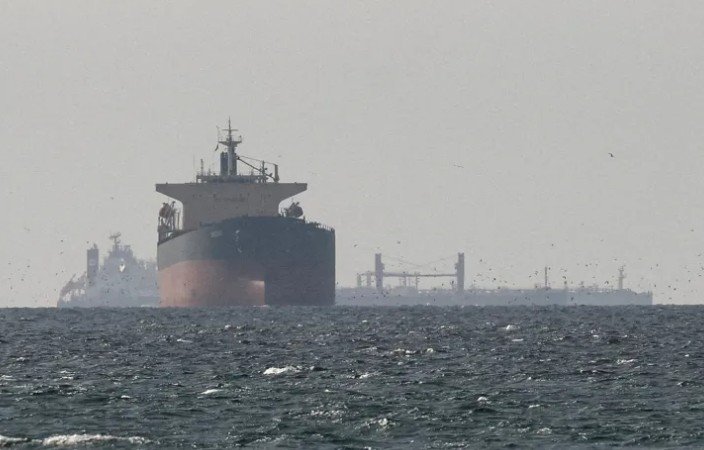
Iranian authorities stated that control of the strait has “returned to its previous state,” signaling tightened restrictions on vessel movement. Reports indicated that Iranian gunboats opened fire on a tanker attempting to transit the waterway, underscoring growing maritime security risks and uncertainty for global shipping operators navigating one of the world’s most critical oil routes.
The sudden closure came just hours after the strait had briefly reopened following a US-mediated 10-day ceasefire agreement between Israel and Lebanon, during which more than a dozen commercial vessels managed to pass safely. However, the fragile situation quickly deteriorated, leaving shipping companies and energy markets facing renewed instability.
The Islamic Revolutionary Guard Corps (IRGC) condemned the US blockade of Iranian ports as “acts of piracy and maritime theft,” asserting that the Strait of Hormuz is now under strict military control. Iranian officials warned that restrictions will remain in place until full freedom of navigation for Iranian-linked vessels is restored.
Despite the escalating tensions, some vessel movement continued. By late morning, several oil and gas tankers had successfully crossed the strait, while others reversed course due to unclear security conditions. The unpredictability has forced many shipping operators to reassess routes, increasing costs and delays across global supply chains.
India formally protested after a reported shooting incident involving two Indian-flagged vessels. The country’s foreign ministry summoned the Iranian ambassador, expressing deep concern and urging Tehran to ensure safe passage for India-bound ships. Iran had previously categorized India among “friendly nations,” allowing selective transit along with vessels from countries including Malaysia, China, Egypt, and South Korea.
Meanwhile, uncertainty surrounding diplomatic developments continues to weigh heavily on the maritime sector. Optimism expressed earlier by US President Donald Trump about a potential deal appeared premature, as conflicting signals emerged regarding ceasefire extensions and future negotiations. Iran has denied any confirmed timeline for renewed talks, accusing the US of undermining diplomatic efforts.
Shipping analysts note that contradictory information from all sides has created confusion across the maritime industry. Many vessels have attempted transit but turned back midway due to unclear directives and safety concerns, reflecting the fragile and rapidly shifting dynamics in the region.
Read: Iran Declares Strait of Hormuz “Completely Open” amid Ceasefire
With geopolitical tensions intensifying and no immediate resolution in sight, the Strait of Hormuz remains at the center of a high-stakes standoff impacting global oil markets, maritime trade flows, and international security.