Iran Claims Oil Tanker Strike in Strait of Hormuz Amid Rising Maritime Security Risks
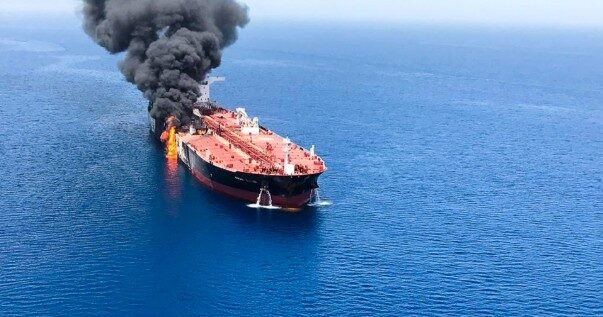
Iran has claimed responsibility for a strike on an oil tanker in the Strait of Hormuz after the vessel was hit by an unknown projectile and a fire broke out on board. The incident has renewed concerns over maritime security, tanker shipping, and risks facing the global shipping industry in the strategically important waterway.
The United Kingdom Maritime Trade Operations (UKMTO) said on Friday that the vessel’s Chief Security Officer (CSO) reported that the tanker had been struck by an unknown projectile. The resulting fire was later extinguished, and the crew was reported to be safe. UKMTO said the environmental impact of the incident remained unconfirmed.
Iran’s Revolutionary Guards later said they had struck an oil tanker in the Strait of Hormuz, according to Iran’s state news agency IRNA. The Togo-flagged tanker Trend was reportedly targeted and detained after a fire broke out on board late Thursday.
Iran accused the vessel of attempting an “illegal passage” and said it intends to charge ships for passage through the strategic strait.
The incident comes amid continuing tensions surrounding the Strait of Hormuz and Washington’s counterblockade of Iranian ports during the ongoing Middle East conflict. The developments are adding pressure to maritime trade and regional shipping operations in a waterway that remains critical to international commercial shipping.
UKMTO had also reported a “security incident” in the Strait of Hormuz late Thursday. However, details of that incident remain limited, and it is not yet clear whether the UKMTO report and Iran’s statement refer to the same event.
Maritime Security Implications for Tanker Shipping
The incident highlights the security challenges facing commercial shipping operating through the Strait of Hormuz, particularly when information from maritime monitoring authorities and parties to the conflict differs.
UKMTO confirmed that a tanker was struck and that a fire occurred, but its initial report did not fully establish the vessel’s identity or the circumstances surrounding the incident. Iran subsequently identified the Togo-flagged Trend as the vessel it said was targeted and detained.
For the shipping industry, the immediate concern is the security of vessels transiting the strategic waterway. Uncertainty over whether the two reports describe the same incident also highlights the importance of verified maritime security information for shipowners, operators, crews, and other stakeholders.
The reported absence of crew casualties is significant, while the environmental impact remains unconfirmed. Further verified information will be needed to establish the full circumstances of the incident and assess its implications for tanker shipping, oil shipping, and wider maritime operations in the region.
Impact on Global Shipping and Maritime Trade
The Strait of Hormuz is a strategically important shipping route, making security incidents involving oil tankers a significant concern for commercial vessel operators and the broader global shipping sector.
Any disruption or increased security risk in the waterway can affect vessel movements, operational planning, and maritime trade security. For tanker operators, reliable information on vessel security and navigational conditions remains particularly important when assessing transit through the region.
At this stage, the available reports do not establish whether the UKMTO-reported incident and Iran’s account describe the same event. Further information from maritime authorities and other verified sources will be necessary before drawing conclusions about the incident’s wider impact on oil tanker security and regional shipping operations.