Japan Advances Zero-Emission Shipping With Hydrogen Engine Voyage
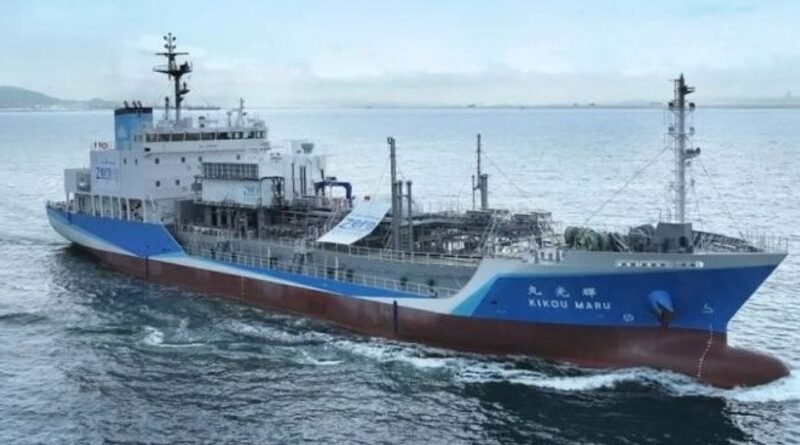
Japan has completed a world-first demonstration voyage of a vessel equipped with a hydrogen-only marine engine, marking a major development in hydrogen fuel, zero-emission shipping and maritime decarbonization. The 4,500-gross-tonne Kikou Maru sailed for approximately two hours and covered about 33 kilometres in Osaka Bay on September 25 using a hydrogen-only combustion engine, according to the Nippon Foundation.
The demonstration is part of Japan’s Zero Emission Ship Project, which is focused on developing zero-emission vessels for the domestic shipping sector. The Nippon Foundation said the development and demonstration voyage of a vessel equipped with a hydrogen-only engine is the world’s first, based on its research as of September 2026.

Hydrogen Marine Engine Completes Two-Hour Voyage
The hydrogen marine engine used aboard Kikou Maru was developed by Yanmar Power Solutions. The engine employs a pilot-ignition system and is designed to use hydrogen as its main fuel.
Kikou Maru is owned and operated by Ueno TransTech, which carried out the vessel’s retrofit and provided crew training for hydrogen fuel operations. Yanmar Power Solutions was responsible for developing the hydrogen engine and related equipment.
During the demonstration, the vessel operated on the hydrogen-only engine for approximately two hours while travelling about 33 kilometres through Osaka Bay.
Hydrogen Fuel Reduces CO₂ Emissions
The demonstration produced an estimated 1.2-tonne reduction in CO₂ emissions compared with operation using conventional fossil fuel, according to the Nippon Foundation.
The result adds a practical demonstration of hydrogen fuel technology to Japan’s efforts to reduce emissions from domestic shipping. The project is specifically focused on developing zero-emission vessels and supporting the transition toward carbon-neutral maritime transport.
The use of a hydrogen-only marine engine also distinguishes this demonstration from projects that rely on hydrogen fuel cells. In this case, the project tested a hydrogen combustion engine using a pilot-ignition system.
Japan’s Zero-Emission Shipping Project
The Nippon Foundation launched its Zero Emission Ship Project in 2022 to support the development and demonstration of zero-emission vessels for Japan’s domestic shipping sector.
The project consists of three consortia working on hydrogen-fuelled vessel technologies. Its broader objective is to contribute to achieving carbon neutrality in Japan’s domestic shipping sector by 2050.
The latest hydrogen demonstration follows the successful zero-emission operation of HANARIA in April 2024. The offshore wind-farm service vessel operates using hydrogen fuel cells and was also developed under the Zero Emission Ship Project.
Further demonstrations involving the project’s other two consortia are planned by the end of fiscal 2026.
Hydrogen Technology Advances Maritime Decarbonization
The Kikou Maru voyage demonstrates how hydrogen fuel and marine engine technology are being tested for practical use in domestic shipping. For Japan, the project links vessel development with its longer-term maritime decarbonization and carbon-neutrality objectives.
Hydrogen propulsion is one of several alternative-fuel pathways being explored across the shipping industry. The Nippon Foundation’s demonstration specifically focuses on hydrogen combustion technology and its application to a domestic vessel.
The project also brings together vessel retrofitting, hydrogen equipment development and crew training, showing that the transition to zero-emission shipping involves more than replacing conventional marine fuel.
Maritime Industry Perspective
The successful demonstration provides an operational reference point for the further development of hydrogen-powered vessels and clean marine fuel technology in Japan’s domestic shipping sector. The immediate result was an estimated 1.2 tonnes of CO₂ emissions reduction during the demonstration compared with conventional fossil fuel operation.
The next stage will be the additional demonstrations planned under the Zero Emission Ship Project. These trials will provide further practical experience as Japan works toward its 2050 carbon neutrality objective for domestic shipping.
For the wider maritime industry, the project highlights Japan’s continued investment in green shipping, hydrogen technology, marine engines and zero-emission vessel development.
Recommended Stories
- Global Shipbuilding Industry 2026: Growth, Green Technology and Key Challenges
- Marine Biofuels Technical Seminar will Highlight Low-GHG Global Shipping Pathways
- Maritime Greenhouse Gas Emissions: The Urgent Push for Cleaner Shipping and Public Health Protection
- Marine Biofuels Technical Seminar will Highlight Low-GHG Global Shipping Pathways