Kuwait Oil Exports Hit by Strait of Hormuz Crisis as Force Majeure Disrupts Gulf Energy Supply Chain
Kuwait has officially declared force majeure on crude oil and refined petroleum shipments as escalating disruptions in the Strait of Hormuz maritime route have severely impacted vessel movement and Gulf energy exports.
According to reports, the state-owned Kuwait Petroleum Corporation (KPC) informed its customers that it is invoking the contractual force majeure clause, allowing missed or delayed deliveries due to circumstances beyond operational control. The decision comes as shipping lanes through the Gulf have become increasingly inaccessible due to ongoing geopolitical tensions and blockade-related restrictions.
A source familiar with the matter clarified that while the declaration has been made, it does not necessarily indicate a complete halt in exports, as some shipments may still continue depending on logistics and security conditions.
Strait of Hormuz Shutdown Triggers Global Oil Supply Chain Pressure
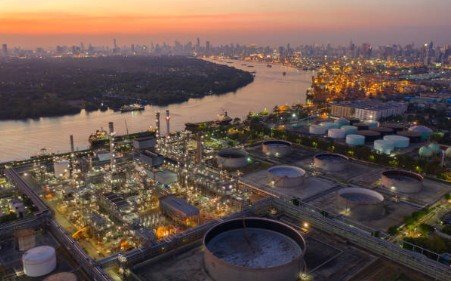
The worsening situation in the Strait of Hormuz, one of the world’s most critical maritime oil transit chokepoints, has brought regional tanker traffic close to a standstill. This disruption has created a major bottleneck for Gulf oil exporters, significantly affecting crude oil and fuel distribution networks.
As a result, storage terminals across the region are reportedly reaching capacity, while energy-dependent economies face rising pressure on production output and export revenues.
Rising Geopolitical Tensions Impact Gulf Oil Production
The ongoing conflict involving Iran has intensified risks for maritime trade routes, leading several Gulf states to reduce production of crude oil, natural gas, and refined petroleum products.
Earlier assessments suggested that more than 9 million barrels per day of oil output could be disrupted, highlighting the scale of impact on global energy markets.
Kuwait has also experienced repeated strikes on its oil infrastructure, with production reportedly falling to levels last seen during the early 1990s conflict period.
Long-Term Uncertainty for Global Energy Markets
Experts cited in the report warn that even if regional tensions ease, full recovery of oil production and export capacity may take considerable time. This indicates that disruptions in global crude oil supply chains and maritime shipping routes could persist well beyond the immediate crisis period.
The ongoing situation underscores the vulnerability of international energy markets to geopolitical instability in key shipping corridors such as the Strait of Hormuz.