Oman and Iran Advance Talks on Strait of Hormuz Navigation Management amid Global Shipping Concerns
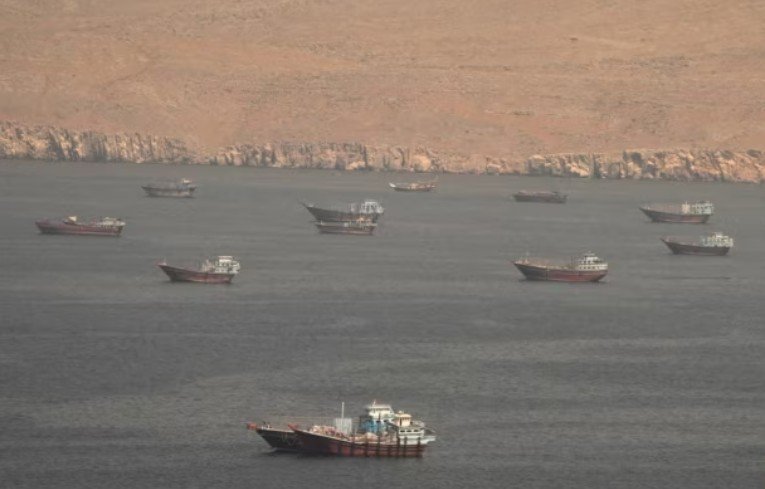
Oman and Iran have agreed to continue discussions on the future management of navigation in the Strait of Hormuz, focusing on maritime services, shipping operations, and associated transit costs in one of the world’s most strategically important maritime corridors.
The agreement was announced Tuesday following high-level talks in Muscat, where both nations confirmed plans to establish a joint working group involving their foreign ministries. The group will oversee ongoing consultations regarding navigation administration and maritime service arrangements in the Strait of Hormuz.
According to a joint statement, Oman and Iran will also engage with other Gulf littoral states and relevant stakeholders as part of a broader regional dialogue on the future governance of maritime activities in the vital waterway.
The initiative follows a memorandum of understanding signed last week that calls for Iran to hold consultations with Oman and neighboring coastal states regarding the management of navigation and maritime services in the Strait of Hormuz. The narrow shipping lane remains one of the world’s most critical energy transit routes, handling a significant share of global crude oil and LNG shipments.
The announcement came after Iranian Parliament Speaker Mohammad Baqer Qalibaf and Foreign Minister Abbas Araqchi met with Oman’s Sultan Haitham bin Tariq and held discussions with Omani Foreign Minister Sayyid Badr Albusaidi.
Both countries, which share control of opposite shores of the Strait of Hormuz, reaffirmed their commitment to maintaining safe maritime passage in accordance with international law while emphasizing their sovereignty over territorial waters.
The Strait of Hormuz has faced significant disruption since the outbreak of the U.S.-Israeli conflict involving Iran in February. Commercial shipping activity has been heavily affected, with the waterway largely closed to normal maritime traffic after the United States imposed measures against Iranian ports and Iran effectively restricted transit through the strait.
In their joint statement, Oman and Iran reiterated their support for keeping the Strait of Hormuz a secure and open route for international shipping. The two countries also emphasized the importance of maritime safety, freedom of navigation, regional stability, and the uninterrupted flow of global trade through the strategic chokepoint.
As global energy markets and shipping companies closely monitor developments in the Gulf region, the outcome of these negotiations could play a significant role in shaping future navigation policies, tanker operations, and maritime security across one of the world’s busiest shipping corridors.