Strait of Hormuz Security Crisis Escalates as Saudi and Qatari Tankers Attacked, Global Shipping Faces Severe Risk
The Strait of Hormuz has entered another period of heightened maritime tension after attacks on a Qatari liquefied natural gas (LNG) tanker and a Saudi crude oil tanker raised fresh concerns over the security of one of the world’s most important energy shipping routes. The incidents have prompted maritime authorities to elevate the threat level for vessels transiting the strategic waterway to “severe,” while the United States has revoked a license previously granted to Iran for oil sales, citing the latest developments.
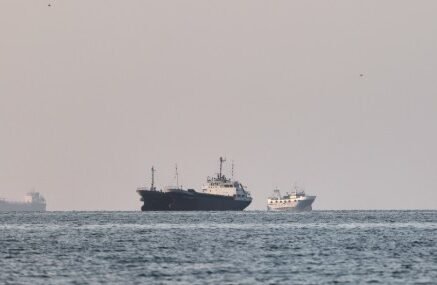
The attacks disrupted a fragile understanding between Washington and Tehran that had been in place since late June, when both sides agreed to reopen the Strait of Hormuz following a three-month conflict that significantly impacted global energy markets. Although commercial traffic through the strait has gradually resumed over the past week, vessel movements remain well below pre-conflict levels, operating at only one-third to one-fifth of normal volumes.
According to maritime security authorities, the deteriorating security situation has prompted the US Navy-led Joint Maritime Information Center (JMIC) to raise the transit threat level from “substantial” to “severe,” marking the first time since mid-June that the highest warning level has been issued. The organization advised ship operators to maintain extreme vigilance, warning of deliberate hostile actions, increased naval deployments, congestion along shipping lanes, and more frequent communications from Iran’s Islamic Revolutionary Guard Corps during vessel transits.
The White House described Iran’s actions in the Strait of Hormuz as “wholly unacceptable” and announced the withdrawal of the oil sanction waiver that had been introduced in June as part of efforts to restore navigation through the strategic waterway. Security analysts noted that the move effectively dismantles one of the key incentives offered to Iran during negotiations aimed at reopening the strait.
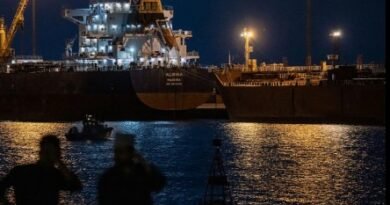
Qatar strongly condemned the attack on its LNG tanker Al Rekayyat, describing it as a serious assault on international navigation and global energy security. Qatari officials stated that the incident violated international law governing freedom of navigation and safe passage through international waterways, holding Iran legally responsible for the attack and any resulting consequences.
Iranian state television reported that the LNG tanker came under attack after allegedly ignoring warnings, although Tehran stopped short of officially claiming responsibility for the incident.
The UK Maritime Trade Operations (UKMTO) reported that the tanker was struck near Limah, Oman, while attempting to sail south toward the Gulf of Oman. The projectile hit the vessel’s port side, causing a fire. Authorities confirmed there were no reported casualties or environmental pollution, while investigations into the incident continue.
In a separate incident, the Saudi-flagged crude oil supertanker Wedyan sustained damage while transiting waters off the Omani coast near the Strait of Hormuz. Saudi Arabia condemned the attack and stated that Iran bears full responsibility for the damage caused to the vessel, which is owned and operated by Saudi shipping company Bahri.
Regional analysts suggested that the Qatari tanker may have entered an area where Iranian teams were reportedly conducting mine-clearing operations. According to the assessment, waters near Oman could still contain naval mines, increasing navigational hazards for commercial shipping operating outside routes approved by Iranian authorities.
Iran has repeatedly maintained that only designated shipping corridors through the Strait of Hormuz are considered safe and has previously warned vessels against using alternative routes closer to Omani waters.
The latest maritime security incidents come as the United States and Iran continue negotiations over Tehran’s nuclear programme and broader regional security issues, including navigation through the Strait of Hormuz. Although recent diplomatic talks concluded without a permanent agreement, the attacks have renewed uncertainty across global energy markets.
The Strait of Hormuz remains one of the world’s most strategically important maritime chokepoints, carrying roughly one-fifth of global oil and natural gas supplies under normal conditions. The latest attacks have once again highlighted the vulnerability of international shipping and energy supply chains, with Brent crude prices rising more than five percent in after-market trading, approaching US$76 per barrel, as traders reacted to renewed geopolitical tensions.
Read: Qatar Moves LNG Tankers through Strait of Hormuz as Global Gas Market Watches Export Recovery