Strait of Hormuz Tanker Attack Injures 12 Seafarers
A Strait of Hormuz tanker attack has injured 12 seafarers aboard the Panama-flagged On Peace, raising fresh concerns over maritime security, commercial shipping and crew safety on one of the world’s most strategically important waterways.
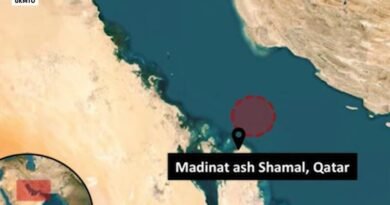
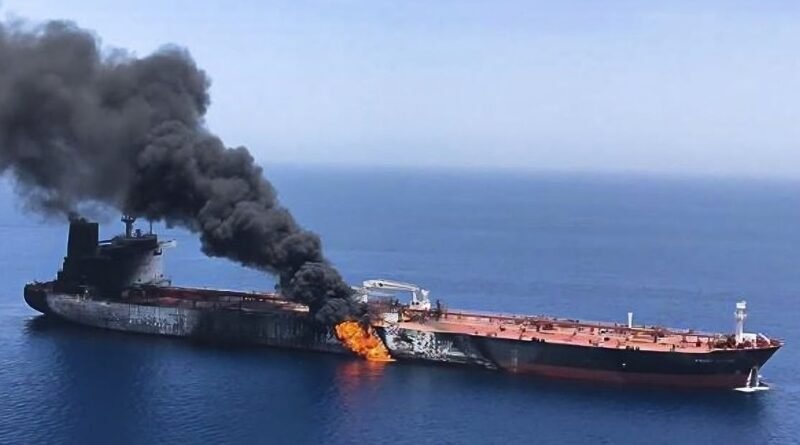
The Aframax tanker was struck by an unknown projectile while transiting the Strait of Hormuz off the coast of Oman on 6 October. The incident highlights the growing risks facing commercial vessels and seafarers operating in waters affected by regional tensions, with potential consequences for shipping operations, maritime insurance and the movement of energy cargoes.

The On Peace had 19 crew members on board. Twelve seafarers suffered burns and were evacuated with assistance from Omani authorities for medical treatment in Khasab, Oman. Eleven of the injured seafarers were Indian nationals, while 17 of the vessel’s 19 crew members were Indian.
The National Union of Seafarers of India (NUSI) condemned the attack and called for stronger measures to protect crews working in high-risk and conflict-affected waters. The union said governments, international agencies, maritime authorities, shipowners and other stakeholders should take every possible measure to safeguard seafarers.
The incident comes amid a series of attacks involving commercial shipping in the Strait of Hormuz. Since 3 October, at least five commercial vessels have reportedly been targeted, including the LNG carrier Maran Gas Mystras, the LPG carrier Vela Gas, and the VLCCs Cameroon Prosperity and Ghana Prosperity. The UK Maritime Trade Operations (UKMTO) has also issued a warning following an attack on a tanker transiting outbound through the waterway.
The On Peace is among 81 vessels listed by the Persian Gulf Strait Authority (PGSA), which says the vessels have violated its protocols for passage through the Strait of Hormuz. According to the authority, listed vessels may face restrictions on future passages, including fines, detention or confiscation.
The tanker is owned and operated by ONEX DMCC and managed by Anglo-Eastern Tanker Management, according to Pole Star Global’s PurpleTrac database.
From a maritime security perspective, the latest attack extends beyond a single vessel incident. Repeated attacks involving oil tankers, LNG carriers and LPG vessels can influence voyage planning, marine insurance, operational costs and risk assessments across the shipping industry. For seafarers, the immediate concern remains the ability to carry out essential commercial voyages without exposure to unacceptable security risks.
The growing number of incidents also places greater importance on navigation safety, maritime risk management and emergency response. Shipowners and operators must assess changing security conditions, while maritime authorities face increasing pressure to support safe passage through strategically important shipping routes.
The Strait of Hormuz remains a critical corridor for global trade and energy transportation. Continued threats to commercial vessels can therefore affect shipping operations, cargo movements and wider maritime commerce. The attack on On Peace again underscores the human and commercial risks created when conflict and international shipping converge in a vital maritime chokepoint.