Trinidad and Tobago Strengthens Marine Spill Response for Hazardous and Noxious Substances
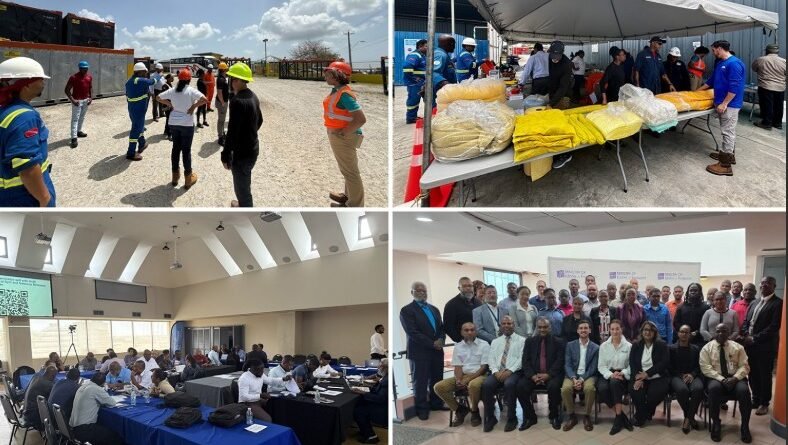
Trinidad and Tobago has enhanced its national preparedness for hazardous and noxious substance (HNS) marine spills following a three-day national workshop held in Port of Spain from 23–25 February 2026. The initiative focused on building technical expertise, improving coordination, and sharing best practices for effective management of marine pollution incidents.
The workshop brought together 38 participants from government agencies and key industry stakeholders, addressing the unique challenges of HNS spills, which differ significantly from traditional oil spill incidents. Topics covered included containership incidents, health and safety protocols for responders, and strategies to improve rapid response to marine spills.
As part of the training, participants visited a local spill response base, gaining hands-on experience with personal protective equipment (PPE) and monitoring tools critical for HNS spill management. The program also provided a platform to review Trinidad and Tobago’s draft national contingency plan for HNS incidents, integrating it with the existing National Oil Spill Contingency Plan to ensure coordinated response and protection of the country’s coastline and marine environment.
Additionally, the workshop introduced the RETOS tool, which assesses national preparedness levels and helps strengthen inter-agency coordination. This initiative, organized under the International Maritime Organization (IMO) Integrated Technical Cooperation Programme (ITCP), underscores Trinidad and Tobago’s commitment to marine environmental protection and enhanced readiness for hazardous marine spills.
By strengthening its national marine spill response capacity, Trinidad and Tobago continues to advance sustainable maritime practices and ensure the safety of both the marine ecosystem and coastal communities.
Source: International Maritime Organization (IMO)

Related: