Iran Declares Strait of Hormuz “Completely Open” amid Ceasefire
The Strait of Hormuz shipping, global oil trade routes, and LNG shipping transit have regained stability after Iran confirmed that the critical maritime corridor is “completely open” for commercial vessels during the ongoing ceasefire linked to the Israel-Lebanon conflict. This development is crucial for maritime security in the Gulf, as the strait handles a significant share of global energy flows.
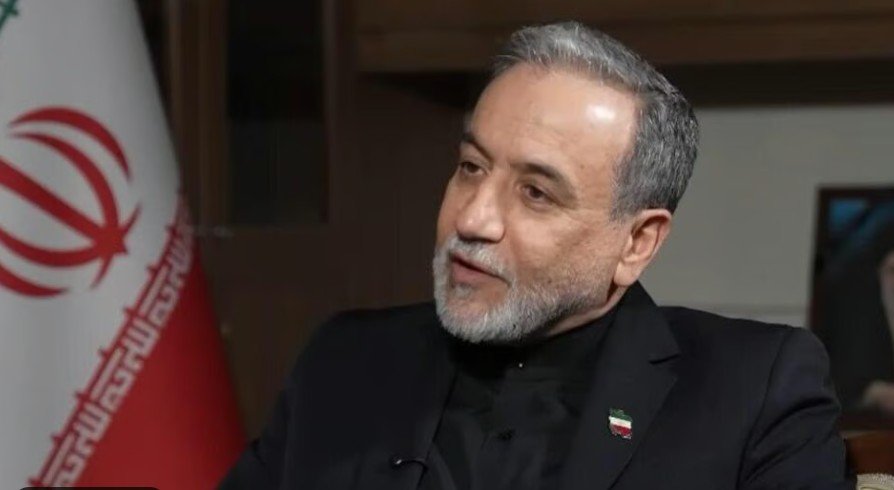
Iran’s Foreign Minister Abbas Araghchi announced that commercial vessel passage through the Strait of Hormuz shipping lane will remain uninterrupted, reinforcing confidence in oil tanker routes Hormuz and broader Middle East shipping lanes. The statement aligns with coordinated navigation guidelines issued by Iran’s Ports and Maritime Organisation, ensuring safe transit amid heightened geopolitical tensions.
The announcement follows a 10-day ceasefire agreement between Israel and Lebanon, although uncertainty remains regarding the involvement of Hezbollah. Despite this, Iran has emphasized that maritime trade stability and energy supply chain security will be maintained throughout the ceasefire period.
Meanwhile, US President Donald Trump confirmed that the strait is operational and “ready for full passage,” supporting global oil trade routes and LNG shipping transit continuity. However, he reiterated that the US naval blockade Iran policy will remain in place until broader political agreements are reached, signaling continued pressure on Tehran.
Iranian military sources indicated that only nonmilitary vessels would be permitted to transit under supervision, adding a layer of control to maritime security Gulf operations. This comes after earlier disruptions when Iran temporarily blocked traffic through the strait, a move that affected nearly one-fifth of the world’s oil and liquefied natural gas shipments.
The conflict, which began on February 28, has resulted in significant casualties and major disruptions to commercial vessel passage and oil tanker routes Hormuz. In response, the United States intensified its naval presence and enforced a blockade on Iranian ports, particularly after diplomatic talks failed to yield progress.
From Washington, analysts suggest that maintaining the blockade is part of a broader strategy to influence Iran’s nuclear policy. While discussions around Iran’s enriched uranium stockpile continue, no formal agreement has been confirmed, highlighting ongoing geopolitical uncertainty affecting maritime trade stability.
On a parallel front, Trump stated that Israel would cease bombing operations in Lebanon, indicating a potential de-escalation in regional conflict. Observers note that while this may ease tensions, the long-term outlook for Middle East shipping lanes and maritime security Gulf remains dependent on sustained diplomatic progress.
For the global shipping industry, the reopening of the Strait of Hormuz shipping corridor is a critical relief, ensuring continuity in energy supply chain security and reinforcing confidence in international maritime trade systems.