Strait of Hormuz Crisis: ILO Demands Urgent Protection for 20,000 Stranded Seafarers Amid Rising Maritime Security Threats
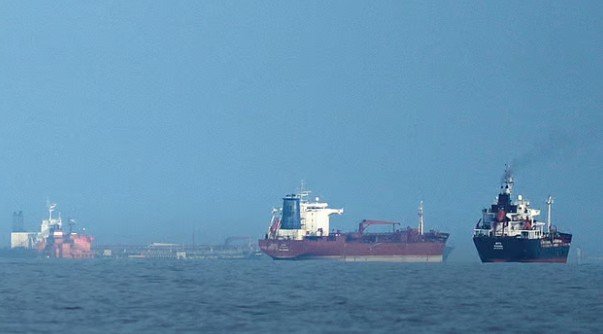
A growing maritime security crisis is unfolding in one of the world’s most critical shipping lanes, the Strait of Hormuz, where nearly 20,000 seafarers remain stranded due to escalating regional tensions and rising violence at sea.
In a strong and urgent statement, officers of the International Labour Organization (ILO) Special Tripartite Committee (STC) have called on governments worldwide to take immediate action to safeguard seafarers’ lives, rights, and wellbeing. The warning comes as global shipping routes face heightened risks, disrupting international trade and maritime logistics.
The committee, operating under the Maritime Labour Convention, 2006 (MLC, 2006), stressed that even in times of geopolitical instability, international maritime labor laws must remain fully enforced. According to the STC officers, the protection of seafarers is not optional, it is a legal and humanitarian obligation.
Officials emphasized the urgent need for coordinated international efforts to ensure uninterrupted supply chains, including the delivery of essential goods such as food, water, and fuel to vessels unable to exit the region. With shipping congestion building in the Gulf, the risk to crew welfare and global trade continues to rise.
Aligning with the position of the International Maritime Organization (IMO), the ILO committee highlighted the importance of facilitating crew changes, safe repatriation, and access to medical care, critical issues that have plagued the shipping industry during previous crises.
The situation also raises serious human rights concerns. Seafarers must retain the right to refuse assignments in high-risk zones without facing penalties or threats to their employment. The committee urged shipping companies and flag states to respect these rights while ensuring transparent communication with crew members and their families.
Top global maritime leaders, including Gilbert F. Houngbo and Arsenio Dominguez, have been actively coordinating efforts to address the crisis. Their collaboration reflects growing international pressure to stabilize maritime operations in the Middle East and protect the backbone of global shipping,the seafarers.
The STC further called on governments to officially recognize seafarers as key workers, ensuring their mobility, access to shore leave, and safe transit across borders in line with the latest 2025 amendments to the MLC, 2006.
As tensions persist in the region, the crisis in the Strait of Hormuz highlights the fragile nature of global maritime trade routes and the urgent need for stronger international cooperation, maritime security frameworks, and seafarer protection policies.