Qatar Tightens LNG Shipping Security as Tankers Go Dark near Ras Laffan amid Gulf Conflict
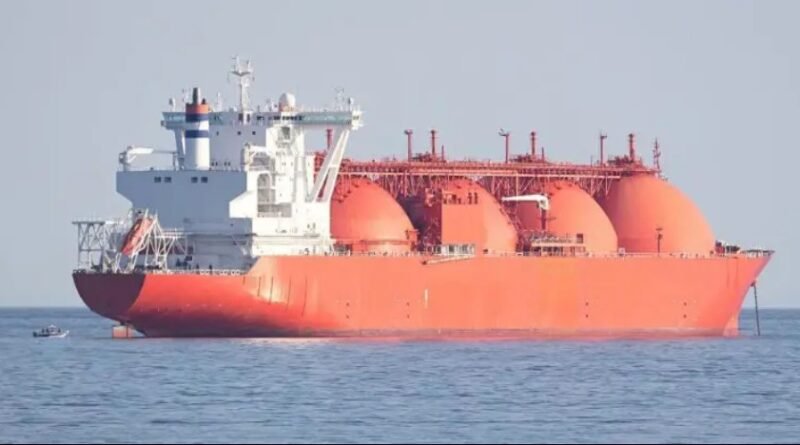
Qatar has reportedly instructed liquefied natural gas (LNG) carriers operating near the strategic Ras Laffan export terminal to switch off their tracking transponders as regional security threats intensify around the Strait of Hormuz. The move is seen as part of emergency maritime safety measures aimed at protecting vessels linked to one of the world’s most critical energy export hubs.
The development comes as the ongoing Gulf conflict continues to disrupt global energy shipping routes, with the de facto closure of the Strait of Hormuz trapping nearly 20% of daily global LNG trade flows. Much of the affected cargo originates from Qatar, one of the world’s leading LNG exporters, along with part of the UAE’s LNG shipments.
Rising geopolitical tensions and repeated drone and missile attacks targeting regional energy infrastructure have also impacted Qatar’s Ras Laffan LNG complex — the world’s largest single-site liquefaction facility. The damage has reportedly forced QatarEnergy to invoke force majeure on some long-term LNG supply contracts, while warning that restoring full production capacity could take several years due to the scale of destruction caused by the strikes.
Security concerns in Gulf waters have escalated sharply since the conflict erupted on February 28. Following more than two months of severe disruption to Qatari LNG exports through the Strait of Hormuz, authorities are now believed to be taking additional precautions to reduce the risk of commercial vessels becoming potential targets.
Vessel-tracking data showed that at least nine LNG tankers anchored near Qatar stopped transmitting Automatic Identification System (AIS) signals beginning May 11, reinforcing reports that ships were instructed to operate in “dark mode” while navigating high-risk maritime zones.
Despite the tense environment, one LNG tanker carrying Qatari cargo successfully transited the Strait of Hormuz over the weekend, marking the first such passage since late February. Several crude oil tankers have also reportedly managed to exit the strait in recent days after limiting or disabling vessel emissions and tracking signals during transit.
Maritime intelligence analysts warn that shipping activity across the Strait of Hormuz is increasingly shifting toward low-visibility operations as shipowners and energy companies attempt to reduce exposure to attacks and electronic targeting.
Read: Second Qatari LNG Tanker Sails through Strait of Hormuz to Pakistan amid Iran Conflict Risks
The latest developments have renewed concerns across global shipping, LNG markets, marine insurance, tanker security, and energy supply chains, with analysts warning that prolonged instability in the Gulf could further tighten global gas supplies and increase freight and energy prices worldwide.