Second Qatari LNG Tanker Sails through Strait of Hormuz to Pakistan amid Iran Conflict Risks
A second Qatari liquefied natural gas (LNG) tanker is making its way through the strategically critical Strait of Hormuz toward Pakistan, signaling that energy cargo movements are continuing on a tightly managed, case-by-case basis despite escalating regional tensions linked to the ongoing Iran conflict.
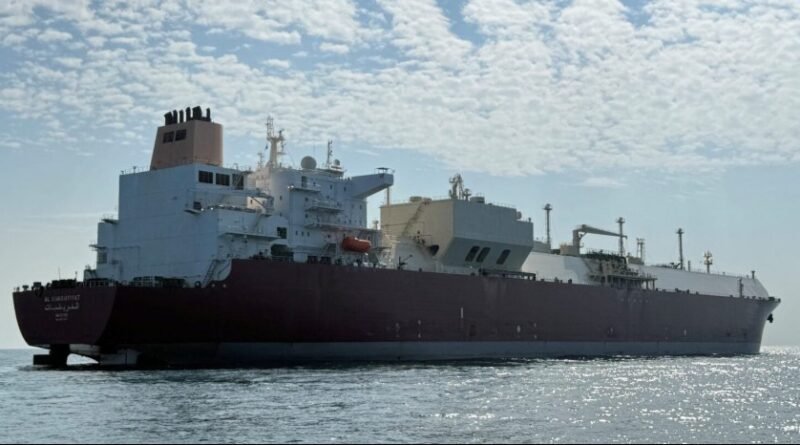
According to LSEG shipping data, the LNG carrier Mihzem, which has a cargo capacity of 174,000 cubic metres, departed from Qatar’s Ras Laffan terminal and is currently heading northeast toward Port Qasim in Pakistan. The vessel is expected to arrive on May 12.
The voyage marks the second successful transit of a Qatari LNG tanker through the Strait of Hormuz since the outbreak of the Iran war, highlighting the growing geopolitical importance of energy security routes in the Gulf region.
Earlier, the LNG tanker Al Kharaitiyat began crossing the Strait of Hormuz on Saturday using the Iranian-approved northern shipping corridor and safely completed the transit on Sunday. Sources familiar with the matter said the LNG cargoes are part of a government-to-government energy supply arrangement between Qatar and Pakistan.
Pakistan, which is facing an urgent natural gas shortage, has reportedly been engaged in discussions with Iran to secure safe passage for a limited number of LNG vessels through the highly sensitive maritime chokepoint. Sources told Reuters on May 9 that Iran approved the shipments as part of efforts to build confidence with both Qatar and Pakistan during the regional crisis.
Read: Qatar LNG Force Majeure Deepens Energy Supply Crisis as US LNG Supply Stabilizes Global LNG Market
Two additional Qatari LNG tankers are also expected to sail toward Pakistan in the coming days under the same arrangement, according to sources familiar with the negotiations.
The Strait of Hormuz remains one of the world’s most critical energy shipping lanes, carrying a major share of global oil and LNG exports. However, the waterway has become increasingly volatile as military tensions continue to rise across the Middle East.
Industry observers say the successful movement of Qatari LNG cargoes to Pakistan demonstrates the importance of diplomatic coordination in maintaining global energy supply chains during times of conflict.
Earlier this month, the UAE’s ADNOC also managed to move two LNG tankers through the Strait of Hormuz after the vessels reportedly switched off their tracking signals while transiting the region, underscoring the heightened operational and security risks facing commercial shipping.
Qatar remains the world’s second-largest LNG exporter, supplying key Asian markets including Pakistan, China, India, Japan, and South Korea. However, Iranian attacks recently disrupted around 17% of Qatar’s LNG export capacity. Industry estimates suggest that repairs could keep approximately 12.8 million metric tons per year of LNG production offline for three to five years, potentially tightening global energy markets and increasing LNG prices worldwide.