Offshore Data Centers Could Transform AI Infrastructure as Ocean-Powered Computing Gains Momentum
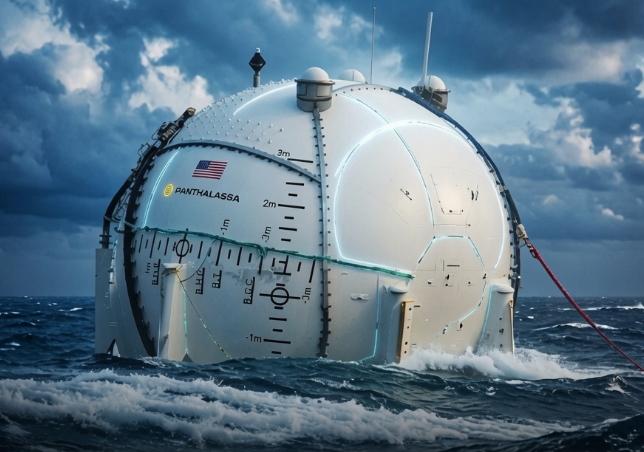
A new technology venture backed by billionaire investor Peter Thiel is exploring an innovative approach to meeting the growing energy demands of artificial intelligence by developing floating offshore data centers powered by renewable energy and cooled by seawater.
The company, Panthalassa, is designing large-scale offshore computing facilities that would operate far from shore, taking advantage of the ocean’s natural cooling capacity while utilizing nearby renewable energy sources such as offshore wind, wave energy, and solar power. The concept aims to create a more sustainable solution for the rapidly expanding AI industry, which requires enormous computing power and consumes significant amounts of electricity.
As global demand for AI infrastructure accelerates, traditional land-based data centers are facing increasing challenges, including high energy consumption, heat management, water usage concerns, and resistance from local communities worried about environmental impacts and pressure on regional power grids.
Panthalassa’s strategy seeks to address these issues by relocating data center operations to deep offshore waters. The ocean environment provides continuous access to natural cooling, potentially reducing operational costs and improving energy efficiency compared to conventional facilities.
The company has already completed testing of its Ocean-2 prototype off the coast of Washington State. According to reports, larger commercial-scale floating data centers are expected to be deployed in fleets in the future, creating a new category of offshore digital infrastructure.
Industry observers note that one of the key advantages of floating data centers is their ability to avoid many of the zoning and community challenges often associated with constructing major AI facilities near residential areas. By moving computing operations offshore, developers may gain greater flexibility while minimizing local environmental concerns.
The concept arrives as technology companies worldwide search for sustainable ways to support the next generation of artificial intelligence applications. While other futuristic concepts, including orbital solar-powered data centers, have been discussed within the technology sector, such solutions remain technically complex and years away from commercial deployment.
Panthalassa’s offshore approach offers a more immediate and practical pathway, combining maritime engineering, renewable energy integration, and advanced computing infrastructure. As AI-driven demand continues to rise, the ocean could emerge as an important frontier for sustainable data center development and the future of global digital infrastructure.