Oil Tanker Traffic through Strait of Hormuz Rebounds after US-Iran Ceasefire, but Shipping Industry Faces New Uncertainty
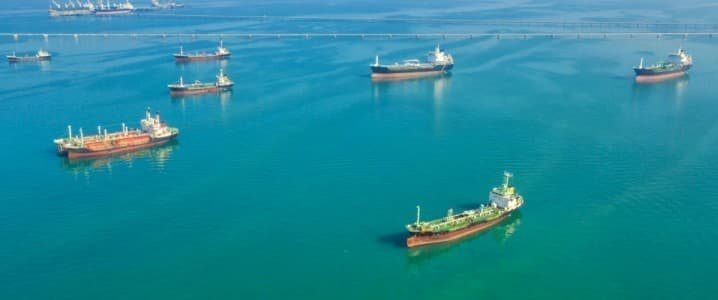
The flow of oil shipments through the Strait of Hormuz increased on Friday following the signing of a ceasefire agreement between the United States and Iran, offering a temporary boost to global energy markets. However, growing concerns over new Iranian transit requirements and potential shipping fees continue to raise questions for tanker operators, oil traders, and maritime stakeholders.
Washington and Tehran released the text of an interim agreement on Wednesday aimed at ending the recent conflict. Despite the breakthrough, U.S. President Donald Trump cautioned that military action could resume if Iran fails to comply with the terms of the deal.
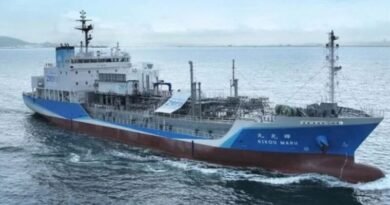
According to vessel-tracking data from MarineTraffic, at least four tankers carrying crude oil, refined petroleum products, and liquefied petroleum gas (LPG) entered the Strait of Hormuz on Friday en route to Iraqi Gulf ports. A Japanese-owned crude tanker that had been delayed during the conflict also successfully exited the strait and continued its voyage toward Japan.
Meanwhile, Indian-flagged crude oil supertankers Desh Vibhor and Desh Vaibhav resumed voyages through the strategic waterway after several days of disruption, signaling a gradual return of tanker operations in one of the world’s most critical energy corridors.
Commercial Vessel Traffic Shows Signs of Recovery
A notable shift occurred as ships began broadcasting their positions again while transiting the Strait of Hormuz. During the conflict, many vessels had switched off transponders and concealed their movements due to security concerns.
Data from AXS Marine showed that 25 commercial vessels crossed the Strait of Hormuz on June 18, marking the highest daily traffic level since April 18. The figure was more than five times higher than the average daily crossings recorded during the first ten days of June. Nevertheless, vessel movements remain significantly below normal levels, with pre-conflict traffic averaging around 120 crossings per day.
The recovery in maritime activity comes as Gulf oil producers prepare to increase exports. Kuwait Petroleum Corporation launched a tender for July crude oil deliveries after lifting force majeure restrictions and announcing plans to raise production. At the same time, Abu Dhabi National Oil Company (ADNOC) issued its fourth crude tender of the month, reflecting growing confidence in regional energy exports.
Mine Risks Continue to Threaten Maritime Navigation
Despite improving conditions, safety concerns remain a major challenge. The United States formally lifted its blockade of Iranian ports on Thursday, but maritime security agencies continue to warn of hazards in the region.
The U.S. Navy-led Joint Maritime Information Center advised mariners to remain vigilant due to the possible presence of naval mines and ongoing clearance operations. Vessel operators were urged to avoid the Traffic Separation Scheme (TSS), the internationally recognized shipping route established by the United Nations maritime agency in 1968 through Iranian and Omani waters.
Shipping broker Braemar warned that risks remain substantial, ranging from underwater mines to the possibility of vessels becoming trapped inside the Gulf should tensions flare again and Iran move to restrict access through Hormuz.
The broker also noted that the ceasefire arrangement could potentially allow Iran to introduce transit management charges for vessels using the strait after a 60-day period.
Iranian Shipping Conditions Spark Concern Among Tanker Operators
Uncertainty over a broader peace settlement continues to weigh on the maritime industry. Switzerland announced that planned U.S.-Iran discussions on a comprehensive peace agreement would not take place on Friday, while U.S. Vice President JD Vance cancelled a scheduled visit, highlighting ongoing diplomatic challenges.
At the same time, Iran has signaled a more active role in managing maritime traffic. Iranian state television reported that vessels must coordinate passage through the Strait of Hormuz with the Revolutionary Guards Navy.
British maritime security company Ambrey reported that Iranian forces instructed a Hong Kong-flagged tanker and a Saint Kitts and Nevis-flagged bulk carrier to reverse course on Thursday.
An advisory circulated to the shipping industry and reviewed by Reuters stated that Iran’s Persian Gulf Strait Authority (PGSA) declared that no vessel would be allowed to transit the Strait of Hormuz without a valid passage permit issued by the authority.
The PGSA further stated that it may introduce insurance-related fees and require shipowners to obtain and periodically renew coverage for passage through the waterway.
These developments have generated concern throughout the global shipping industry, which maintains that the Strait of Hormuz is an international waterway and should remain free from transit tolls or additional navigation charges.
Iranian Oil Exports to Asia Continue
While shipping regulations remain under scrutiny, Iranian oil exports are continuing. Analysis from U.S.-based advocacy group United Against Nuclear Iran (UANI) showed that a fleet of ten fully loaded Iranian-flagged supertankers carrying nearly 20 million barrels of crude oil departed from Iran’s Chabahar anchorage in the Gulf of Oman and is heading toward Asian markets.
The cargoes are expected to be delivered primarily to independent “teapot” refineries in China, which have historically been major buyers of Iranian crude.
According to UANI Senior Advisor Charlie Brown, the easing of tensions has reduced concerns related to unilateral American sanctions, potentially improving conditions for Iranian oil exports and regional tanker trade.