US-Iran Talks Advance as Oil Sanctions Ease and Strait of Hormuz Shipping Security Takes Center Stage
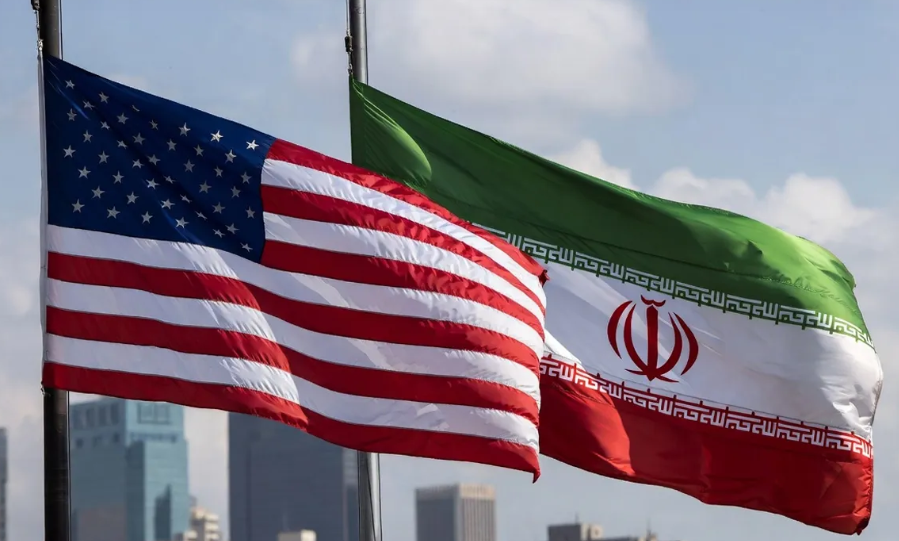
The first round of direct negotiations between the United States and Iran has delivered significant developments for global shipping, energy markets, and maritime trade, with both sides reporting progress toward a broader peace agreement. While key differences remain unresolved, the talks have already resulted in a temporary easing of sanctions on Iranian oil exports and the reopening of communication channels aimed at safeguarding commercial navigation through the Strait of Hormuz.
Following discussions linked to a recently signed Memorandum of Understanding (MoU), the United States announced a 60-day waiver on sanctions affecting Iranian oil exports. The decision is expected to unlock approximately 67 million barrels of Iranian crude currently stored on vessels and floating storage units in the Gulf, providing additional supply to international energy markets.
Read: US-Iran Talks Continue Despite Reports of Negotiation Suspension, Trump Says
A major outcome of the talks was the establishment of a direct communication mechanism between Washington and Tehran focused on maritime safety in the Strait of Hormuz. The strategic waterway handles roughly 20 percent of global oil and natural gas shipments and remains one of the world’s most important maritime chokepoints.
The Strait had been effectively disrupted after tensions escalated earlier this year, triggering concerns across the shipping industry, energy traders, tanker operators, and global supply chains. The latest agreement seeks to prevent incidents at sea, reduce the risk of misunderstandings, and ensure the safe transit of commercial vessels operating through Gulf shipping routes.
A joint statement issued by mediators Qatar and Pakistan confirmed that negotiators will continue discussions through specialized working groups covering nuclear issues, sanctions relief, monitoring mechanisms, and dispute resolution procedures. These groups will report regularly to a high-level committee overseeing implementation of the MoU.
Despite the positive signals, important disagreements remain. Iranian state media reported that Washington had agreed to release $12 billion in frozen Iranian assets. However, US officials have not formally confirmed the figure. US Vice President JD Vance stated that any unfrozen assets would be directed toward humanitarian purchases, particularly agricultural products sourced from the United States.
President Donald Trump echoed that position, emphasizing that released funds would be used for food and medical supplies, including corn, wheat, and soybeans purchased from American farmers. Iranian officials, however, rejected claims that spending would be restricted, insisting that any released funds would be available for Iran to use according to national requirements.
For maritime markets, the sanctions waiver represents one of the most significant developments. Analysts note that Iranian crude can now enter international markets under more favorable conditions, reducing the discounts previously imposed by sanctions-related risks. Chinese state-owned and independent refiners are expected to remain among the largest buyers of Iranian oil.
Iranian officials have described sanctions relief as a central objective of the negotiations. Foreign Minister Abbas Araghchi stated that restrictions on oil exports and petrochemical sales had been eased, frozen assets had begun to be released, and broader economic recovery initiatives were under discussion.
Another point of contention involves nuclear inspections. US officials claim Iran has agreed to permit international monitoring of its nuclear program, potentially including renewed access for inspectors from the International Atomic Energy Agency (IAEA). Iranian authorities have publicly denied that such an agreement has been finalized and say no inspection schedule has been established.
President Trump later stated that Iran had agreed to extensive future nuclear inspections and indicated that this commitment contributed to his decision to allow the Strait of Hormuz to remain open without further naval restrictions. He added that naval forces would remain on standby should conditions change.
Beyond inspections, negotiators still face difficult discussions over Iran’s uranium enrichment program and the future of its enriched uranium stockpile. These issues remain among the most sensitive elements of the broader negotiations and are expected to dominate future rounds of talks.
For the maritime sector, however, the immediate impact is already visible. The reduction of sanctions pressure, improved prospects for Iranian crude exports, and commitments to maintain safe navigation through the Strait of Hormuz have eased concerns among shipowners, tanker operators, charterers, and energy traders. As negotiations continue, the shipping industry will closely monitor developments that could reshape Gulf maritime security, tanker demand, and global oil transportation flows.