South-East Asia Strengthens Cross-Border Oil Spill Response with Regional Maritime Security Workshop in Malaysia
South-East Asian nations have taken another major step toward improving maritime environmental protection and oil spill emergency preparedness by strengthening regional cooperation to tackle transboundary marine pollution incidents.
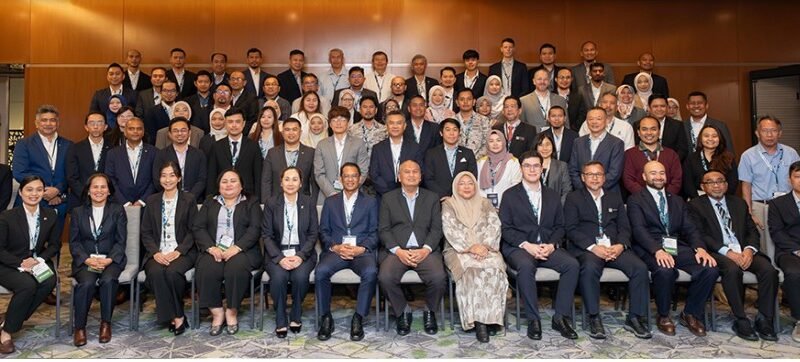
A two-day subregional workshop titled “Enhancing Collaboration for Effective Transboundary Oil Spill Response” was held in Kuala Lumpur, Malaysia, from 23–24 June, bringing together government officials, maritime authorities, oil spill response organizations (OSROs), industry representatives, and international experts.
The workshop focused on enhancing regional readiness for cross-border oil spill emergencies, highlighting the importance of coordinated action between governments and the private sector to protect busy shipping routes, coastal ecosystems, and marine economies across South-East Asia.
Participants discussed practical measures to improve preparedness at both the operator and government levels. Key sessions emphasized the effective implementation of existing agreements, standardized operating procedures (SOPs), and regional cooperation mechanisms designed to ensure rapid and coordinated responses when oil spill incidents cross national boundaries.
Government representatives presented their national contingency planning systems, emergency response capabilities, and mechanisms for international coordination during marine pollution emergencies. Discussions also explored how Oil Spill Response Organizations (OSROs) can provide technical and operational support during transboundary incidents.
Another major focus was the legal and financial framework surrounding oil spill response, including liability, compensation, and claims management. Delegates also reviewed existing regional cooperation mechanisms such as the ASEAN Memorandum of Understanding (MoU) and the Regional Oil Spill Contingency Plan (ROSCP), both of which play an important role in facilitating joint action during maritime environmental emergencies.
To reinforce practical coordination, the workshop concluded with a tabletop simulation exercise that placed participants in a realistic cross-border oil spill scenario. The exercise enabled officials and response experts to identify operational challenges, improve communication, and strengthen decision-making during large-scale marine pollution incidents.
The event was supported through the International Maritime Organization (IMO)’s Integrated Technical Cooperation Programme (ITCP) and was organized by the Government of Malaysia in partnership with the Global Initiative for South-East Asia (GI SEA) and Malaysia’s national maritime stakeholders.
Officials emphasized that sustained bilateral, subregional, and regional collaboration remains critical to improving preparedness under the International Convention on Oil Pollution Preparedness, Response and Co-operation (OPRC Convention). As maritime trade continues to expand across South-East Asia, strengthening collective response capabilities will remain essential for protecting the region’s marine environment, shipping industry, and coastal communities.
Representatives from Brunei Darussalam, Indonesia, Malaysia, the Philippines, Thailand, and Viet Nam participated in the regional workshop.