China Defends Port State Control on Panamanian Ships as IMO Debate Highlights Global Maritime Safety
China has defended its inspection measures on Panamanian-flagged vessels, emphasizing that its port state control procedures are based on international maritime regulations and are aimed solely at strengthening maritime safety, shipping security, and marine pollution prevention. The statement comes after discussions at the 137th session of the International Maritime Organization (IMO) Council, where representatives from the United States and Panama criticized China’s actions and called for stronger safeguards against the politicization of global maritime trade.
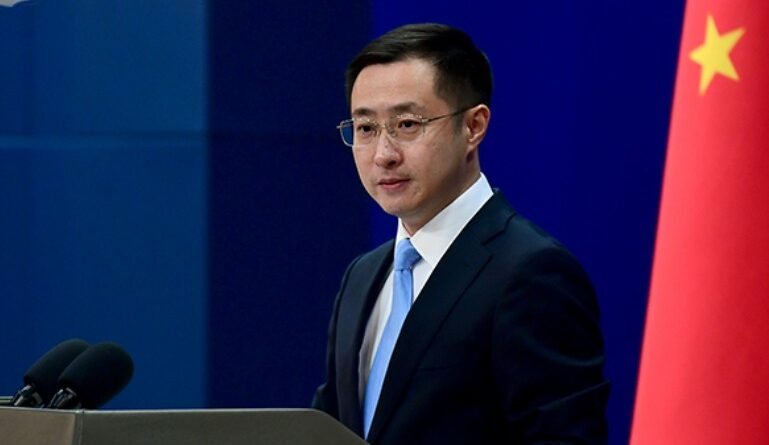
Speaking at a regular press briefing, Chinese Foreign Ministry spokesperson Lin Jian rejected claims that China was targeting Panamanian-flagged ships for political reasons. He said Chinese authorities have recorded a disproportionately high number of serious maritime accidents involving Panamanian-registered vessels operating in Chinese waters since the beginning of the year.
According to official Chinese statistics, although Panamanian-flagged vessels accounted for less than 20 percent of all foreign ships calling at Chinese ports, they were reportedly involved in around half of the serious maritime accidents, fatalities, and missing-person incidents recorded during the same period. Based on these findings, China said it has strengthened port state control inspections to ensure vessel compliance with international safety standards and to maintain safe navigation within its waters.
Lin Jian stressed that port state control inspections are a globally recognized regulatory mechanism used by port states to verify that foreign-flagged ships comply with international maritime conventions related to vessel safety, environmental protection, and crew welfare. He added that China’s inspections are conducted in accordance with international rules and are intended to protect maritime traffic, reduce shipping risks, and prevent marine pollution rather than restrict international trade.
The comments follow criticism raised during the IMO Council meeting, where the United States and Panama expressed concern that inspections should not be influenced by political considerations. China, however, maintains that its regulatory actions are entirely consistent with international maritime law and are driven by safety data collected by its competent authorities.
The issue comes at a time when global shipping, maritime trade, port security, and international shipping regulations remain under close scrutiny amid rising geopolitical tensions and increasing focus on maritime safety standards. As one of the world’s busiest trading nations, China reaffirmed its commitment to enforcing international maritime conventions while ensuring safe and orderly navigation through its ports.
Source: Chinese Foreign Ministry Press Briefing