US-Iran Conflict Escalates after American Troop Deaths, Raising Risks for Gulf Shipping and Regional Maritime Security
Conflict widens beyond the Strait of Hormuz as military retaliation intensifies and diplomatic prospects diminish.
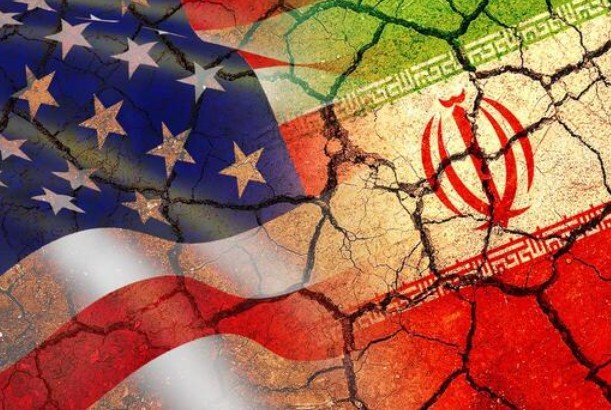
The conflict between the United States and Iran has entered a far more dangerous stage following the deaths of 16 American service members, a development that is reshaping Washington’s military strategy and heightening security concerns across the Middle East and key global shipping routes.
For several weeks, tensions had largely focused on the Strait of Hormuz, one of the world’s most strategically important maritime chokepoints through which nearly 20% of global oil supplies are transported. However, recent events indicate that the conflict has expanded well beyond maritime confrontations and air operations inside Iran.
Military analysts say the latest escalation reflects a broader regional conflict, with US military personnel increasingly becoming direct targets, regional military installations facing repeated attacks, and diplomatic efforts losing momentum.
Fresh US Strikes Follow Deadly Attack
The latest escalation occurred after two American troops were killed in Jordan while defending against Iranian ballistic missile and drone attacks. Following the incident, the US Central Command (CENTCOM) launched new strikes targeting units of Iran’s Islamic Revolutionary Guard Corps (IRGC) believed to be responsible for the attack.
US Central Command stated that the military action was intended to “swiftly punish” the IRGC units linked to the assault. Meanwhile, one additional American service member remains missing.
American Casualties Raise Strategic Stakes
The growing number of US military casualties marks a significant turning point in the conflict.
Although Washington has conducted weeks of military operations against Iranian targets, the rising death toll is increasing both the political and military pressure on the Trump administration. Since the conflict began on February 28, 16 American service members have been killed, while more than 430 have been wounded, underscoring the escalating intensity of the confrontation.
The widening conflict is also increasing concerns for the global maritime industry, as continued instability around the Strait of Hormuz could disrupt international shipping, energy exports, oil tanker operations, marine insurance costs, and global supply chains if hostilities continue to spread.
As military operations expand across the Gulf region and diplomatic efforts continue to weaken, security experts warn that the conflict is entering a more unpredictable phase with significant implications for maritime security, global energy markets, commercial shipping, and regional stability.