
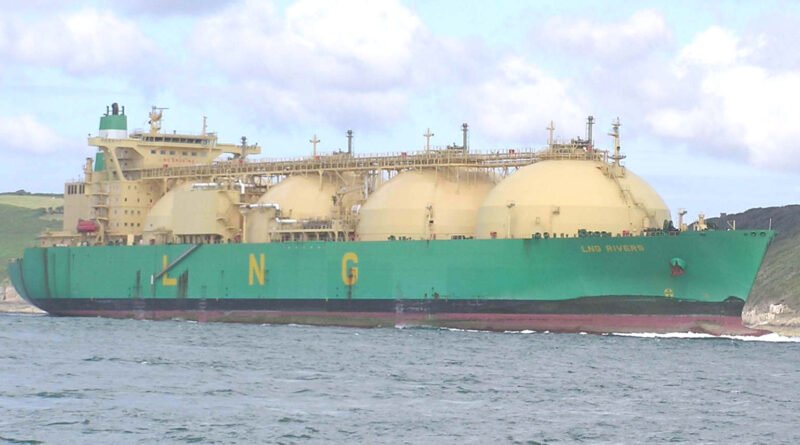
Pakistan Secures Seventh Spot LNG Cargo at Record $21.88/MMBtu amid Qatar Supply Disruption and Strait of Hormuz Tensions
Pakistan’s LNG import costs continue to rise as the country purchases another expensive spot cargo amid prolonged supply disruptions from QatarEnergy, increasing pressure on energy security, power generation costs, and the national LNG import bill.
Pakistan has secured its seventh spot LNG cargo since QatarEnergy declared force majeure in March 2026, paying $21.88 per MMBtu, the highest price recorded since the start of the current supply disruption. The latest procurement highlights Pakistan’s growing dependence on the international spot LNG market as geopolitical tensions and supply constraints continue affecting long-term contracted deliveries.
Pakistan LNG Limited (PLL) received only one bid for the latest tender, submitted by TotalEnergies Gas and Power Limited. The offer was evaluated as technically and commercially compliant and was accepted at a price of $21.88 per MMBtu.
The tender was issued on July 17, 2026, seeking one LNG cargo of approximately 140,000 cubic metres (m³) for delivery during the July 27–28 window. The purchase represents Pakistan’s seventh spot LNG acquisition since QatarEnergy announced force majeure earlier this year, reflecting the country’s urgent efforts to maintain gas supplies for electricity generation and industrial demand.
The disruption began after QatarEnergy declared force majeure on March 4, 2026, following an attack on its Ras Laffan LNG production complex. The supply interruption, linked to rising regional tensions and instability around the Strait of Hormuz, has been extended until August, forcing Pakistan to repeatedly enter the costly LNG spot market.
The latest agreement means TotalEnergies will supply Pakistan’s seventh spot LNG cargo during the ongoing crisis. Previously, Pakistan awarded another spot LNG cargo to PetroChina International on July 15, 2026, at $20.6999 per MMBtu for delivery on July 21–22.
The repeated spot market purchases underline Pakistan’s increasing vulnerability to global LNG price fluctuations, as supplies under its long-term agreement with QatarEnergy remain disrupted. Energy authorities have continued procuring LNG cargoes despite higher prices to avoid gas shortages affecting power plants, industries, and domestic consumers.
With the arrival of the latest shipment, Pakistan is expected to receive 12 LNG cargoes during the current supply period, including seven spot market purchases through international competitive bidding and five government-to-government LNG cargoes from QatarEnergy under the long-term agreement.
The shift toward expensive spot LNG procurement has significantly increased Pakistan’s energy import expenditure. Spot LNG prices remain considerably higher than rates available under long-term contracts, creating additional financial pressure on the country’s energy sector.
Higher LNG procurement costs are also expected to impact electricity prices. Officials estimate that LNG-based power generation currently costs around Rs35.5 per unit. During June 2026, LNG-fired power plants generated approximately 1,480 GWh, contributing 11.02% of Pakistan’s total electricity production.
Industry experts warn that continued dependence on high-cost LNG imports could further increase electricity generation expenses and place additional pressure on Pakistan’s electricity tariffs in the coming months.
The latest LNG purchase highlights the growing importance of energy security, LNG supply chain resilience, maritime energy transportation, and strategic fuel planning as countries navigate disruptions in global shipping routes and international energy markets.