U.S. Advances Offshore Nuclear Energy Cooperation as Marine Minerals Administration and NRC Sign Landmark Regulatory Agreement
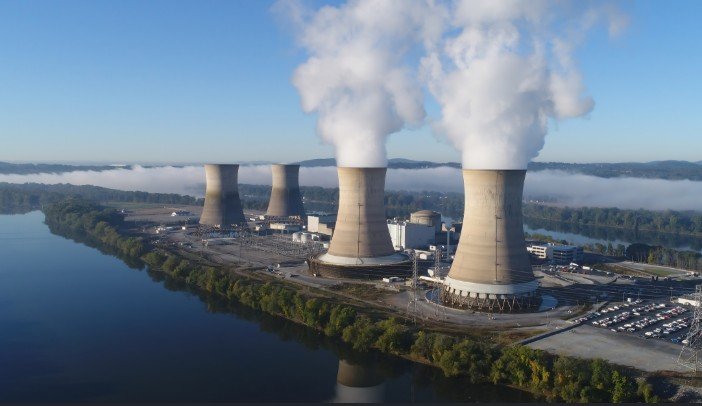
The United States has taken a significant step toward exploring the future of offshore nuclear energy development after the Marine Minerals Administration (MMA) and the Nuclear Regulatory Commission (NRC) signed a Memorandum of Understanding (MOU) to strengthen cooperation on potential nuclear energy projects located on the Outer Continental Shelf (OCS).
The agreement aims to establish a coordinated regulatory framework to ensure that any future offshore nuclear power projects are developed with the highest standards of safety, environmental protection, and regulatory oversight. The MOU will improve communication between the two federal agencies, define their respective areas of responsibility, and provide greater clarity for industries interested in emerging offshore energy technologies.
Under the agreement, the MMA and NRC will work together to address industry requests related to innovative offshore energy systems, including potential submerged nuclear reactor technologies. The collaboration is expected to support responsible evaluation of advanced energy solutions while maintaining strict nuclear safety and environmental standards.
“Submerged reactor systems have been safely deployed in naval applications for decades, demonstrating their potential as a reliable source of energy in demanding marine environments. While no commercial deployment on the Outer Continental Shelf is planned or approved at this time, it could greatly strengthen America’s energy security in the future,” said MMA Acting Director Matt Giacona.
Giacona highlighted the scale of the opportunity, noting that nearly 3.2 billion acres of the Outer Continental Shelf fall under federal jurisdiction. According to him, the new agreement represents an important foundation for developing technical expertise, regulatory frameworks, and interagency coordination needed to evaluate whether offshore nuclear technologies can be implemented safely in the future.
“This MOU is an important step toward building the technical expertise, regulatory clarity, and interagency coordination needed to assess whether and how this technology could be responsibly implemented in the years ahead,” Giacona added.
Jeremy Bowen, Director of the NRC’s Office of Advanced Reactors, said the partnership would improve federal coordination for licensing and oversight of potential offshore nuclear projects.
“We are pleased to formalize our cooperation with the Marine Minerals Administration as we strengthen federal coordination on licensing and oversight of potential Outer Continental Shelf nuclear projects,” Bowen said.
He added that the agreement creates a transparent and efficient process for evaluating advanced nuclear technologies while providing confidence to future applicants seeking approval for innovative offshore energy systems.
Offshore Nuclear Energy Could Support Future Energy Security
The development of advanced nuclear technologies has gained increasing attention worldwide as countries seek reliable, low-carbon energy sources capable of supporting industrial growth, energy security, and climate goals. Offshore nuclear systems, including advanced reactors and floating nuclear platforms, are being examined as potential solutions for remote energy supply, industrial operations, and future maritime energy infrastructure.
Although no commercial offshore nuclear reactor project has currently been approved for deployment on the Outer Continental Shelf, the new MMA-NRC agreement provides a pathway for evaluating the technical, environmental, and regulatory challenges associated with such technologies.
The agreement follows recent U.S. government policies aimed at accelerating the deployment of advanced nuclear technologies to strengthen national security, industrial competitiveness, and long-term energy resilience. These initiatives include executive actions focused on advanced reactor development, nuclear testing reform, and rebuilding the domestic nuclear industrial base.
Marine Minerals Administration Takes Integrated Role in Offshore Resource Management
The announcement also comes after the U.S. Department of the Interior reorganized offshore resource management structures. Effective July 10, 2026, the Department reunited the Bureau of Ocean Energy Management (BOEM) and the Bureau of Safety and Environmental Enforcement (BSEE) into the Marine Minerals Administration.
The newly established agency will oversee the responsible development of offshore energy resources and marine mineral assets under federal jurisdiction, with an integrated focus on environmental protection, offshore safety, energy development, and streamlined regulatory oversight.
The latest cooperation agreement between MMA and NRC highlights the growing importance of offshore energy innovation, advanced nuclear technology, marine infrastructure development, and sustainable ocean resource management as nations explore new pathways for meeting future energy demands.