Iran Claims Four Tankers Hit Mines in Strait of Hormuz
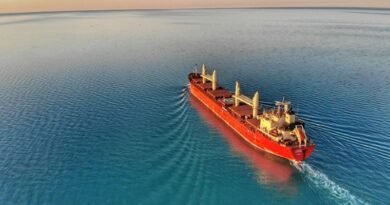
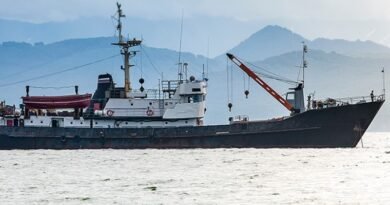
Iran has claimed that four oil tankers caught fire after striking naval mines in or near the Strait of Hormuz, escalating concerns over maritime security, oil tanker operations and global energy supply chains. The claims came a day after the US military said it had cleared internationally recognised primary transit routes through the strategic waterway. Separately, a dhow was reported on fire north of Oman’s Khasab, prompting a maritime security alert.
The incidents have intensified the dispute over Strait of Hormuz shipping routes, naval mine clearance and commercial vessel safety. The waterway normally carries about one-fifth of global oil and gas consumption, making navigational security critical for international energy trade. While Iran has warned vessels against using a southern route it considers unauthorised, the United States maintains that the principal shipping lanes have been cleared of mines. The competing claims have heightened uncertainty for shipowners, tanker operators and maritime risk managers.

Iran Reports Three Tanker Mine Strikes and a Fourth Incident
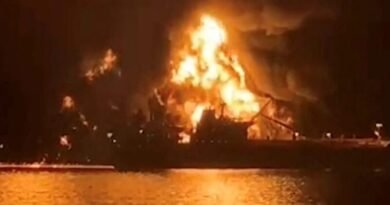
Iran’s Islamic Revolutionary Guards Corps (IRGC) said three oil tankers exploded and caught fire after striking naval mines while attempting to navigate what it described as an unauthorised southern route through the Strait of Hormuz.
In a statement issued on Thursday, the IRGC alleged that the vessels had switched off their radar and navigation systems and ignored warnings from its navy. The statement did not identify the tankers, disclose their flags or specify the exact time and locations of the reported incidents.
Later on Thursday, Iran’s army reported that another tanker had caught fire east of the strait after striking naval mines in a restricted area. According to a statement carried by Iranian state television, the vessel was damaged and left unable to move.
The Iranian statements therefore described three tanker incidents reported by the IRGC and a separate fourth incident reported by the army. The claims had not been independently verified in the supplied report.
US and Iran Dispute Mine Clearance Claims
The reported incidents have renewed questions about the safety of commercial shipping routes through the Strait of Hormuz. In recent weeks, Iran has reported other vessels striking sea mines, while US Central Command (CENTCOM) has maintained that the primary international transit routes have been cleared.
On Thursday, Hossein Mohebi, an IRGC spokesman, challenged the US position in a post on X, demanding independent evidence to support the mine-clearance claim.
The IRGC also warned vessel owners and crews against using the southern corridor near the Omani coast, which Iran considers unauthorised. It said the route was mined and placed responsibility for transiting it on vessel owners and crews.
The US position differs from Iran’s account. CENTCOM has said that internationally recognised primary transit routes remain clear of sea mines. Neither side’s statements alone establish the precise circumstances of the latest reported incidents.
Read: Strait of Hormuz Tanker Attack Injures 12 Seafarers
Dhow Catches Fire and Sinks Near Oman
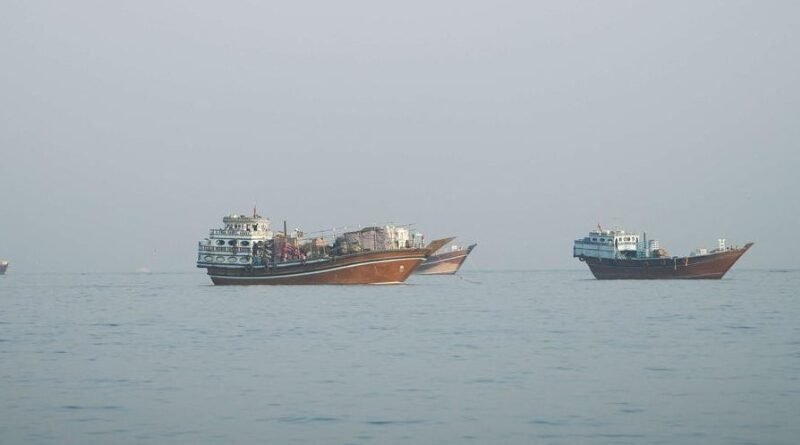
Separately, the United Kingdom Maritime Trade Operations (UKMTO) reported a maritime security incident approximately nine nautical miles north of Khasab, Oman.
According to the supplied report, regional authorities identified the vessel as a dhow, which caught fire and sank. The report said the crew had been safely evacuated.
The incident occurred in the wider Strait of Hormuz region, a strategically important area for commercial shipping and energy transportation. However, the available information does not establish a direct connection between the dhow’s sinking and Iran’s claims concerning the oil tankers.
Strait of Hormuz Disruption Threatens Energy Transportation
Since the war began on February 28, Iran has severely restricted maritime traffic through the strategic waterway. In response, the United States imposed a blockade on Iranian ports and supported tanker movements through the strait.
On October 25, CENTCOM said US forces had helped Gulf partners export more than 1.5 billion barrels of crude oil since the summer. The command also reported that more than 3,000 commercial vessels had transited the Strait of Hormuz with US support over the preceding six months.
These figures were reported by the US military and reflect its account of operations in the region. They underscore the importance Washington places on maintaining commercial access to the waterway amid continuing security tensions.
For the shipping industry, uncertainty over mine clearance can complicate voyage planning, vessel deployment and maritime risk assessments. Tanker operators and insurers must also consider potential delays, vessel damage, crew safety and the financial exposure associated with navigating a high-risk shipping corridor.
IRGC Claims Capture of US Reconnaissance Drone
In a separate statement, the IRGC said its naval electronic warfare unit had captured a US MQM-170 reconnaissance drone during an operation in the western Strait of Hormuz.
The claim was separate from the reported tanker mine strikes. The supplied report did not provide further details about the drone’s condition or the circumstances of its reported capture.
The drone claim should be treated as an assertion by the IRGC rather than an independently confirmed event.
Maritime Risk and Global Oil Shipping Outlook
The latest reports highlight the importance of reliable navigational information, independently verified incident reporting and effective maritime risk management in the Strait of Hormuz.
For commercial vessel operators, the central issue is whether the routes used for international shipping can be navigated safely and consistently. Disputed reports of naval mines can affect route selection, insurance assessments, crew safety procedures and the scheduling of oil shipments.
The wider implications extend to global energy markets because the strait is a critical passage for oil and natural gas exports from the Gulf. Any sustained disruption could affect transportation costs, delivery schedules and the reliability of energy supply chains.
Read:Iran Reports Seven Tankers Hit in Strait of Hormuz
However, the full impact of the reported incidents remains uncertain. Confirmation of the affected vessels, the locations of the alleged mine strikes and the condition of the relevant transit routes will be important in assessing the consequences for international shipping.