Japan Approves $510 Million Port Infrastructure Program to Boost Cargo Capacity and Maritime Logistics
Japan has approved a ¥76.2 billion ($510 million) port infrastructure investment program aimed at strengthening the country’s maritime logistics, port infrastructure, cargo handling capacity, and supply chain resilience. The annual plan, approved by Japan’s Cabinet on Friday, will support development projects across 73 ports, reinforcing the nation’s position as a major global maritime trade hub.
The government-backed initiative will be implemented by local port authorities through government-supported financing. A significant portion of the funding, ¥35 billion, has been allocated for the development of approximately 1.62 million square meters of terminal land across 63 ports. The expansion is expected to improve cargo storage, terminal operations, and logistics efficiency while supporting future increases in international trade.
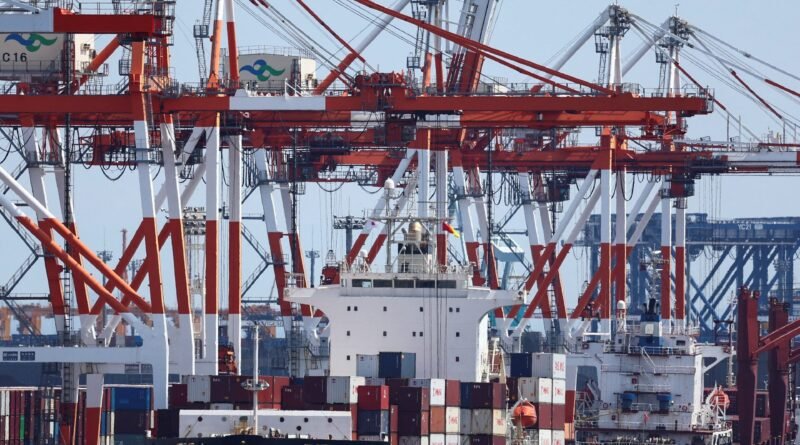
In addition, ¥8.9 billion has been earmarked for the procurement of 58 cargo-handling machines at 25 ports, including major gateways such as Tomakomai, Sendai-Shiogama, Kashima, Kawasaki, Osaka, Hiroshima, Kitakyushu, and Shibushi. The new equipment is expected to enhance container handling productivity, reduce vessel turnaround times, and improve overall port performance.
The investment package also allocates ¥2.7 billion for the construction of 83 warehouses across 20 ports, providing additional storage capacity to support growing cargo volumes and strengthen Japan’s logistics network.
Beyond terminal improvements, Japan will invest ¥29.6 billion in coastal land development. This includes the creation of approximately 432,000 square meters of port and logistics land at 13 ports, along with 193,000 square meters of industrial land at six ports. Key port and logistics developments will take place at Yokohama, Osaka, Hiroshima, and Hakata, while new industrial sites will be established at ports including Ibaraki, Himeji, Mizushima, and Yatsushiro.
According to the government, these investments are designed to provide the terminal infrastructure, cargo-handling equipment, and logistics land needed to support new berths and other publicly funded port expansion projects. Local port authorities are expected to repay the financing through terminal usage fees, land sales, and other port-generated revenues, creating a sustainable funding model for long-term maritime infrastructure development.
The latest investment underscores Japan’s continued commitment to modernizing its ports, shipping infrastructure, supply chain connectivity, and maritime logistics sector, helping the country accommodate future trade growth while improving operational efficiency across its national port network.