U.S. Coast Guard Reopens Port of Rota to Commercial Shipping as Maritime Recovery Operations Continue After Super Typhoon
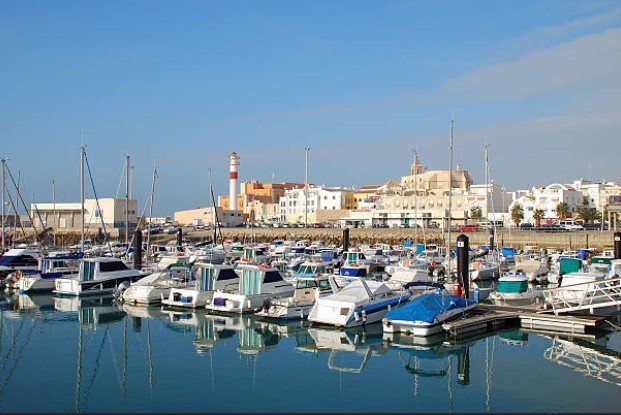
The U.S. Coast Guard has officially reopened the Port of Rota to commercial shipping and cargo operations after easing waterway restrictions following the passage of Super Typhoon Bavi. The move restores an important maritime gateway in the Northern Mariana Islands, although authorities continue to warn ship operators and mariners to exercise heightened caution due to ongoing navigation and communication challenges.
Effective 8:00 p.m. ChST on July 11, the Captain of the Port (COTP) Guam and the Northern Mariana Islands downgraded the Port Heavy Weather Condition (PHWC) to WHISKEY, allowing commercial vessel traffic and cargo handling activities to resume at the Port of Rota.
Capt. Jessica Worst, Commander of U.S. Coast Guard Forces Micronesia/Sector Guam, said that more than 85 Coast Guard personnel, supported by partner agencies and U.S. Navy Explosive Ordnance Disposal Mobile Unit Five (EODMU-5), have been working continuously in the maritime domain and port areas to restore safe navigation and port operations.
She praised the dedication of response teams while emphasizing that the region’s waterways have not yet returned to normal operating conditions. According to the Coast Guard, damaged navigation aids, displaced buoys, and ongoing VHF radio communication outages have reduced the safety margin for vessels operating in the area, making careful voyage planning and increased vigilance essential.
Commercial shipping companies, vessel operators, port agents, and cargo stakeholders have been advised to coordinate directly with terminal and facility operators before scheduling port calls, as some facilities may still be operating under temporary restrictions. Mariners entering or departing Rota West Harbor have also been urged to proceed cautiously because storm-related channel shoaling or seabed changes may have occurred, despite no confirmed underwater obstructions being detected.
The Coast Guard confirmed that post-storm assessments have now been completed across the major commercial ports of Guam, Rota, Tinian, and Saipan. Initial inspections of navigational aids throughout the Marianas have also been finalized, with updated Broadcast Notices to Mariners issued detailing damaged, displaced, or missing navigation equipment affecting regional shipping routes.
One of the major recovery achievements involved the successful repositioning of Apra Harbor Entrance Lighted Buoy 2, which had drifted from its charted location after the storm. While the buoy has been restored to its proper position, its navigation light remains out of service pending further repairs. Coast Guard maintenance teams continue restoration work on the Polaris Point and Inner Harbor range systems, although adverse weather has slowed progress.
Multiple Coast Guard vessels remain deployed across the region to support maritime recovery operations. USCGC Myrtle Hazard (WPC 1139) is conducting sonar surveys near Rota alongside an embarked Navy EOD team, while USCGC Hickory (WLB 212) and Coast Guard dive teams are assessing priority repairs to damaged aids to navigation and preparing additional maintenance missions. Meanwhile, an HC-130J Hercules aircraft from Air Station Barbers Point continues aerial surveillance, communications support, and damage assessment flights across the Marianas.
Response teams are also addressing storm-related vessel incidents around Guam, where four sailboats were found partially or completely submerged at Agat Marina. Authorities said one of the vessels poses a potential environmental concern and is being closely monitored. In addition, a recreational boat reported missing from Naval Base Guam MWR Sumay Marina is still being searched for, as it could present an underwater hazard to navigation.
The Coast Guard also reported that VHF communication towers on Rota and Saipan remain offline, with additional storm damage further reducing near-shore radio coverage. Engineers are working on interim solutions to restore emergency VHF Channel 16 communications, but these systems are not yet operational.
Until communications infrastructure is fully restored, mariners are strongly encouraged to carry multiple communication devices, inform someone ashore of their intended voyage, and continue monitoring official safety broadcasts. Emergency situations should be reported through VHF Channel 16 or by calling 911, as social media platforms and smartphone SOS features should not be relied upon for maritime distress communications in the region.
Although commercial shipping has resumed at the Port of Rota, the U.S. Coast Guard continues to caution all vessels operating throughout the Marianas that several navigation aids remain damaged, missing, or displaced. Restoration work remains underway across all four commercial harbors, and updated maritime safety notices continue to be issued to support safe vessel movements.
The National Weather Service Guam has also warned that hazardous sea conditions, high surf, rip currents, and additional rainfall associated with Invest 97W may continue to affect the region despite the passage of Super Typhoon Bavi.
Source: U.S. Coast Guard Forces Micronesia