Two Tanker Incidents near Oman Raise Strait of Hormuz Maritime Security Concerns
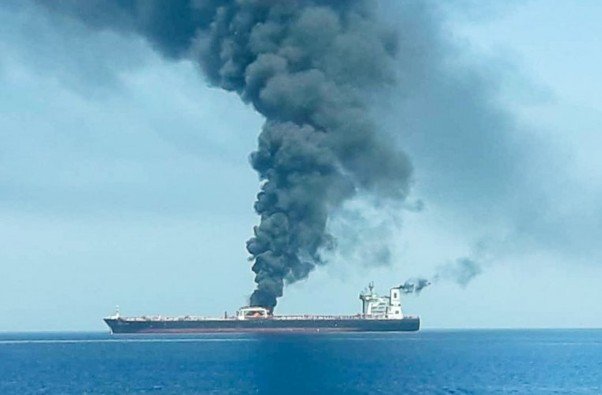
The United Kingdom Maritime Trade Operations (UKMTO) has reported two separate maritime security incidents involving oil tankers off the coast of Oman, increasing concerns over vessel safety and energy supply chain risks in one of the world’s most important shipping routes. According to UKMTO, the first incident occurred approximately 11 nautical miles northeast of Oman’s Lima, where a tanker was struck by an unidentified projectile, causing damage to the vessel’s engine room and leaving the ship temporarily not under command. No casualties or environmental pollution were reported following the incident.
In a second incident, UKMTO received a report from a tanker located around 21 nautical miles northeast of Oman’s Khasab. The vessel’s master reported observing a large splash followed by an explosion close to the ship; however, no physical damage was reported. Both Lima and Khasab are situated on Oman’s Musandam Peninsula near the entrance to the Strait of Hormuz, a critical maritime chokepoint connecting the Persian Gulf with the Gulf of Oman and the Arabian Sea. The waterway is responsible for the transit of approximately one-fifth of global oil consumption, making maritime security in this region a major concern for international shipping, energy markets, and global trade networks.
The latest incidents highlight growing vulnerabilities in regional maritime security and the challenges faced by commercial shipping operators navigating high-risk geopolitical zones. Tankers transporting crude oil, liquefied natural gas (LNG), and other energy commodities through the Strait of Hormuz remain exposed to potential disruptions, which can influence global oil prices, marine insurance costs, vessel risk assessments, and shipping routes. The increasing use of enhanced security measures, including vessel tracking, threat monitoring systems, and risk management protocols, reflects the shipping industry’s efforts to maintain uninterrupted maritime trade despite rising tensions in strategic waterways.
Maritime security experts note that repeated incidents near major shipping corridors underline the importance of international cooperation, intelligence sharing, and stronger maritime domain awareness systems. As global energy supply chains depend heavily on safe navigation through chokepoints such as the Strait of Hormuz, any prolonged instability could create wider impacts on freight rates, bunker fuel markets, offshore operations, and international logistics networks.