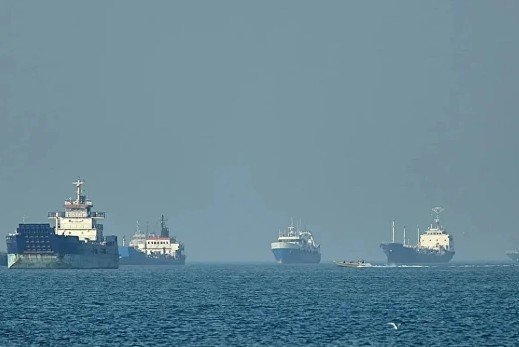
UN Proposes New Strait of Hormuz Shipping Mechanism to Restore Safe Maritime Trade and Global Supply Chains
The United Nations has proposed a new confidence-building mechanism aimed at restoring safe commercial shipping through the Strait of Hormuz, one of the world’s most strategically important maritime trade corridors. The initiative, announced on 27 July 2026, seeks to facilitate safe, orderly, and predictable vessel transit amid prolonged disruptions that continue to impact global shipping, energy markets, fertilizer supplies, and international trade.
The proposed mechanism has been developed by the UN Secretary-General’s Strait of Hormuz Task Force and is supported by the International Chamber of Commerce (ICC). It introduces a practical framework for the registration, deconfliction, prioritization, facilitation, monitoring, verification, and reporting of vessel movements through the Strait. During its initial phase, the mechanism will focus on ensuring the safe movement of fertilizers and related raw materials, commodities considered essential for global food production and agricultural supply chains.
According to United Nations Office for Project Services (UNOPS) Executive Director Jorge Moreira da Silva, who coordinates the Task Force, continued disruptions in the Strait of Hormuz are placing severe pressure on global supply chains, maritime logistics, food security, and economic stability. The proposed initiative is designed as a practical, time-bound, and limited framework that respects international law while building confidence among all relevant stakeholders involved in maritime transit.
The initiative builds on the ICC’s previous involvement in the Black Sea Grain Agreement in 2022. ICC Secretary General John W.H. Denton AO is participating in the Task Force alongside UNOPS, United Nations Trade and Development (UNCTAD), the International Maritime Organization (IMO), and other United Nations agencies to help develop practical solutions for maintaining the uninterrupted flow of international commerce.
Commenting on the proposal, Mr. Denton stated that continued disruption to shipping through the Strait is placing enormous pressure on global food security and economic resilience. He emphasized that the private sector has a critical role in working with international organizations to protect global trade routes and ensure the uninterrupted movement of essential goods that millions of people depend on worldwide.
The proposed mechanism does not transfer sovereign authority to any participating party. Instead, it provides a structured process to facilitate vessel movements while encouraging confidence, transparency, and cooperation among all stakeholders operating in the region.
According to the UNOPS statement, maritime traffic through the Strait of Hormuz has declined by more than 95% compared with pre-war levels. The sharp reduction in commercial shipping has contributed to rising energy prices, fertilizer costs, transportation expenses, and broader supply chain disruptions. The UN World Food Programme (WFP) estimates that nearly 45 million people could face acute food insecurity if disruptions to maritime trade continue.
The ICC has repeatedly warned that interruptions to the transportation of energy products, fertilizers, and other essential commodities through major maritime chokepoints have consequences extending far beyond the region, increasing pressure on international trade, shipping markets, and the global economy.
In his statement, Jorge Moreira da Silva urged all parties to support the operational mechanism, emphasizing that reducing risks, protecting civilians and critical infrastructure, rebuilding trust, and restoring safe and predictable navigation through the Strait of Hormuz remain immediate priorities for the international community.
Read: Oil Tanker Explosion in Strait of Hormuz Sparks Fresh Maritime Security Concerns