Saudi Arabia Launches Maritime Coalition to Strengthen Red Sea Shipping Security
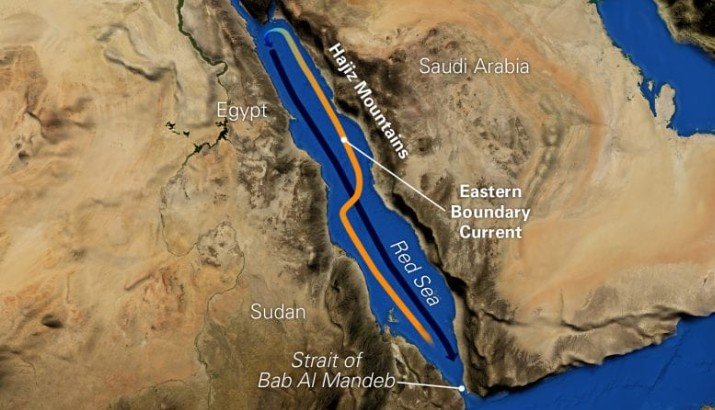
Saudi Arabia has taken a significant step toward strengthening Red Sea maritime security by convening the inaugural meeting of a new multinational maritime coalition in Riyadh on 30 July, aimed at protecting international shipping lanes and ensuring uninterrupted global trade. The initiative focuses on safeguarding the Maritime Transit Security Corridor (MTSC), a strategically vital route that connects the southern Red Sea, the Bab el-Mandeb Strait, and the Gulf of Aden, one of the world’s busiest maritime trade corridors carrying a substantial share of global energy supplies and commercial cargo.
According to reports, 43 of the 50 invited countries participated in the conference, including representatives from the European Union, which currently leads Operation Aspides, a mission with similar objectives of protecting commercial shipping from regional threats. Following the discussions, 14 countries expressed their intention to become founding members of the new coalition by signing a joint statement supporting coordinated maritime operations, enhanced intelligence sharing, and the establishment of an integrated command-and-control framework headquartered in Saudi Arabia.
The founding members include Bahrain, Bangladesh, Comoros, Djibouti, Egypt, Jordan, Kuwait, Pakistan, Qatar, Saudi Arabia, Somalia, Sudan, Türkiye, and Yemen. Under the proposed framework, Saudi Arabia will host the coalition’s Joint Operations Coordination Center, a Joint Maritime Operations Center, and the organization’s General Secretariat, providing the operational infrastructure needed to coordinate multinational maritime security missions.
The United States attended the conference, although neither NATO members nor other Western nations joined as founding members. Meanwhile, Oman did not participate in the coalition, likely to preserve its neutral diplomatic role in ongoing peace negotiations between Saudi Arabia and the Houthi movement. The United Arab Emirates also remained outside the founding group despite maintaining military facilities along the Red Sea and Gulf of Aden that could support future maritime operations.
Read: Fresh Houthi Red Sea Attacks Hit Suez Canal Recovery as Oil Tanker Traffic Falls to Multi-Month Low
The coalition is expected to focus on escorting merchant vessels through vulnerable sections of the Maritime Transit Security Corridor while improving surveillance, intelligence sharing, and defensive capabilities against attacks targeting commercial shipping. Although an official operational timeline has not yet been announced, the coalition’s naval capabilities are expected to rely primarily on the Royal Saudi Naval Force’s Western Fleet, based in Jeddah, with support from the Royal Saudi Air Force.
The establishment of this coalition reflects Saudi Arabia’s broader strategy to internationalize maritime security in the Red Sea rather than responding independently to regional threats. By bringing together countries that depend heavily on secure maritime trade, Riyadh is seeking to distribute both operational responsibilities and political risk while reinforcing freedom of navigation through one of the world’s most strategically important shipping corridors. If effectively implemented, the coalition could improve regional maritime domain awareness, reduce risks to commercial shipping, strengthen supply chain resilience, and complement existing international naval missions. However, its long-term effectiveness will depend on sustained multinational participation, operational interoperability, intelligence integration, and the ability to coordinate with existing maritime security initiatives operating in the region.