Trump Says Strait of Hormuz Deal near as Shipping Hopes Rise
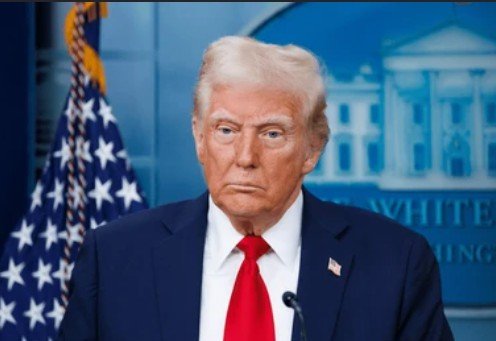
U.S. President Donald Trump said a deal to reopen the Strait of Hormuz shipping route could come as early as Wednesday, as negotiations between Iran and Oman continued toward an agreement aimed at restoring safe maritime transit through one of the world’s most strategically important energy corridors. Speaking to reporters in California, Trump said “a lot of progress has been made” after being asked about reports that an announcement could be made on Wednesday. However, officials involved in the negotiations indicated that discussions are still ongoing and no final agreement has been reached.
The Strait of Hormuz remains one of the world’s most critical maritime chokepoints, historically carrying about one-fifth of global oil and natural gas shipments. According to the information provided, the ongoing conflict has significantly reduced commercial shipping through the waterway after Iran’s attacks and threats disrupted vessel movements, driving up fuel prices, increasing supply chain costs, and creating volatility in global energy markets. Brent crude prices fell about 1.2% to US$78.43 per barrel early Wednesday as markets reacted to hopes that maritime traffic could soon resume.
Despite optimism surrounding the negotiations, maritime security conditions remain fragile. According to the United Kingdom Maritime Trade Operations (UKMTO), a cargo vessel reported being struck by an unidentified projectile while transiting the Strait of Hormuz, approximately 37 kilometers northeast of Al Khasab, Oman, causing damage to the vessel. Separately, an Indian-flagged commercial ship sank in the Red Sea after being hit by an explosive-laden boat off Yemen, with Yemeni authorities rescuing the crew. Meanwhile, Yemen’s Houthi movement claimed it had launched ballistic missiles toward a Saudi oil tanker in the northern Red Sea, although no independent evidence was provided and Saudi authorities did not immediately comment.
Officials familiar with the negotiations said the proposed arrangement under discussion would see ships enter the Persian Gulf through an Iranian-controlled shipping route and depart via a route managed by Oman, with security and environmental service fees reportedly being considered. The officials emphasized that negotiations remain sensitive and ongoing, and the final agreement could ultimately take a different form.
Iranian Foreign Ministry spokesman Esmail Baghaei said the discussions with Oman are focused on establishing safe inbound and outbound shipping lanes that respect sovereign rights while addressing the national security concerns of both countries. U.S. Secretary of State Marco Rubio also acknowledged that progress had been made but stated that negotiations had not yet reached a final agreement. U.S. Treasury Secretary Scott Bessent similarly said there was a possibility that an agreement to reopen the Strait could be reached within a day or two.
From a maritime industry perspective, the reopening of the Strait of Hormuz would be significant for global shipping, oil tanker operations, LNG transportation, maritime logistics, energy security, and international supply chains. However, the continued attacks on merchant vessels in both the Strait of Hormuz and the Red Sea demonstrate that operational risks remain high. Even if an agreement is reached, shipowners, charterers, insurers, and energy traders are likely to maintain heightened security measures until sustained stability is established across the region.
Related:
- Two Tanker Incidents near Oman Raise Strait of Hormuz Maritime Security Concerns
- Oman Unveils Gulf-Backed Strait of Hormuz Plan: Voluntary Shipping Fees Could End Trade Disruption
- UN Proposes New Strait of Hormuz Shipping Mechanism to Restore Safe Maritime Trade and Global Supply Chains
- Oil Tanker Explosion in Strait of Hormuz Sparks Fresh Maritime Security Concerns