East Asia Typhoon Season Disrupts Shipping Logistics, Port Operations and Vessel Schedules
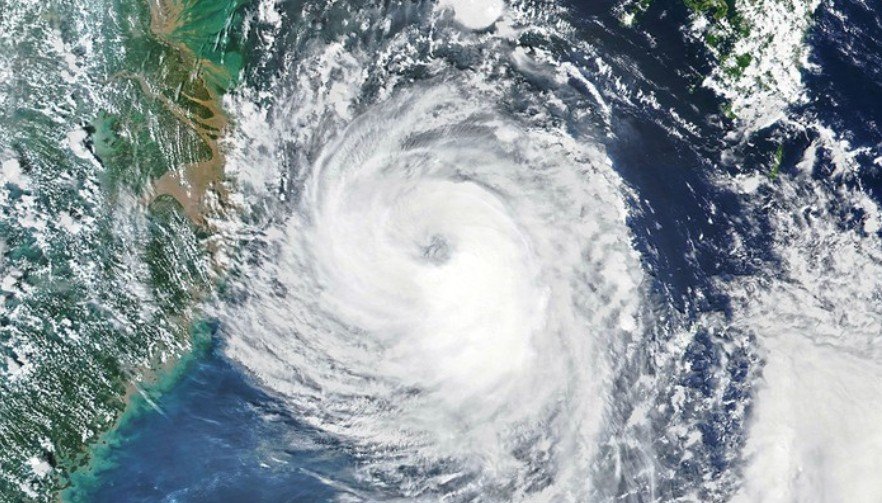
East Asia’s 2026 typhoon season is disrupting shipping logistics, port operations and vessel schedules across the region, with above-normal activity bringing severe flooding, congestion and delays to vessel operations. Several severe typhoons , Bavi, Dolphin, Narra, Peilou and Chan-Hom ,made landfall within a two-week period, causing significant disruption across the regional shipping network.
Read:Philippines Floods Shut 20 Ports as Insurance Claims Rules Take Effect
The disruption could continue for longer than initially expected. Typhoon Saudel could make a resurgence, while weather institutions such as PAGASA have indicated that more tropical cyclones are expected to form in the region. The resulting schedule changes, congestion and capacity constraints are being felt across the shipping industry and wider logistics network.
According to Sea Intelligence, all 14 of the region’s busiest ports are experiencing a decline in on-time vessel arrivals, highlighting the impact of the ongoing weather disruption on shipping reliability.
Shipping Reliability under Pressure
The typhoon-related disruption has affected all networks in the region, although the impact and resulting cargo delays vary.
Against this challenging operating environment, Gemini has used its modular network setup to minimise the impact as much as possible. Early figures indicate that Gemini remains the more reliable network.
Shipping Operations Focus on Recovery

Shipping operations are now focused on managing cargo flows across the network to reduce the impact on vessel schedules and shorten waiting times over the next few weeks.
Mitigation measures are being implemented where appropriate, while operational plans continue to be adjusted to support recovery efforts and maintain the smooth flow of cargo.
The shipping network also continues to work closely with the terminals and port groups that its vessels call at. This collaboration is aimed at managing the operational challenges caused by the current disruption.
What Shippers Should Expect Next
The situation will continue to be monitored closely, with further updates to be shared as more information becomes available.
In the meantime, shippers are advised to review their current logistics arrangements and identify where additional flexibility and agility may be needed in the coming weeks.
This could include reviewing priority shipments, allowing additional buffer time, ensuring documentation is ready, and discussing alternative routing or transport options with a Maersk representative, where relevant.
As the typhoon season continues, shipping schedules and operational plans may need to be adjusted according to weather and port conditions. The immediate focus remains on managing cargo flows, reducing waiting times and supporting the recovery of vessel schedules.
Read: Typhoon Saudel Puts China Coast on High Alert as Flights and Ferries Suspended