Philippines Floods Shut 20 Ports as Insurance Claims Rules Take Effect
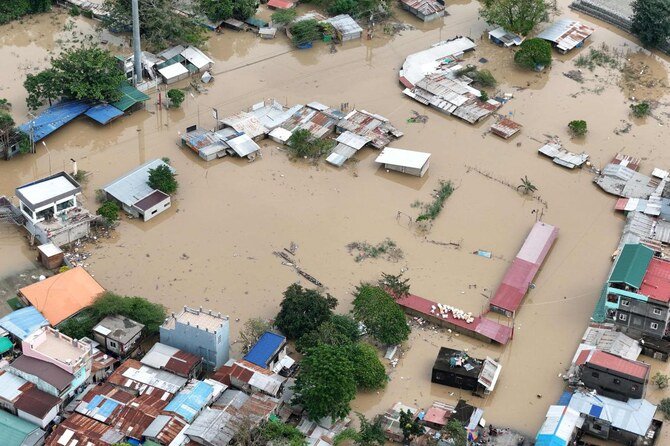
Severe flooding across the Philippines has disrupted maritime operations, closed 20 ports and displaced approximately 98,000 people, while a state of calamity declared in Dagupan City has triggered mandatory insurance claims procedures for affected areas. The developments are putting renewed attention on marine insurance, cargo insurance, business interruption insurance, catastrophe risk and maritime logistics as flooding disrupts transportation, businesses and communities.
The floods were caused by the combined effects of the southwest monsoon and two tropical cyclones. According to the latest figures cited from the National Disaster Risk Reduction and Management Council (NDRRMC), at least 12 people had died, eight remained missing and 13 were injured across 33 provinces at the time of reporting. The Office of Civil Defense reported approximately 98,000 displaced people, with thousands evacuated to government-run shelters.
Dagupan State of Calamity Activates Insurance Claims Measures
The City Government of Dagupan in Pangasinan declared a state of calamity on August 10 after flooding affected 22,047 families, representing 90,015 individuals, across 31 barangays. Twenty-three barangays remained flooded, while major roads were reported impassable to light vehicles. The figures were reported by Philippine government sources.
The declaration activates the disaster-related claims measures under Philippine Insurance Commission Circular Letter No. 2025-21. The Insurance Commission’s rules require regulated insurance entities to facilitate the processing, approval and payment of eligible disaster-related claims. The measures include expedited claims handling, relaxation of certain documentary requirements, extended periods for submitting claim notices and supporting documents, assistance to claimants and coordination with government authorities. The Insurance Commission has also invoked the same circular in response to other disaster-affected areas in 2026.
The measures are particularly relevant to non-life insurance, including property, marine cargo and other policies that may respond to covered flood-related losses. Any claim, however, remains subject to the terms, conditions, limits and exclusions of the individual insurance policy.
20 Philippine Ports Closed Amid Flooding
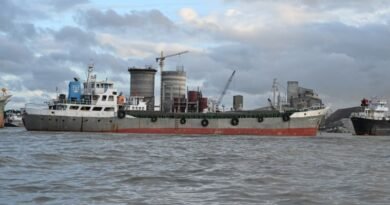
The flooding has also created a major disruption for the country’s maritime transportation and port operations. The Philippine Coast Guard suspended operations at 20 ports across central and eastern parts of the country, according to reporting cited in the original market report.
Port closures can affect vessel movements, cargo handling, freight transportation and supply chains. For companies carrying marine cargo insurance, freight liability insurance or business interruption insurance, the disruption may create potential claims issues involving delays, cargo handling, storage or spoilage, depending on the applicable policy wording.
The maritime disruption is occurring alongside wider restrictions on economic and public activity. President Ferdinand Marcos Jr. ordered government workers to work from home and directed authorities to implement alternative learning arrangements in Metro Manila and other affected areas. Flooding in parts of Metro Manila also reached significant levels.
Whether a particular port closure or government directive results in an insurance claim will depend on the specific policy, including coverage for flood, delay, civil authority or government action and any applicable exclusions.
Philippines Faces a Large Catastrophe Insurance Protection Gap
The flooding has renewed attention on the Philippines’ substantial catastrophe insurance protection gap. GlobalData estimates the country’s catastrophe protection gap at approximately 98%, compared with a global average of 58%. The figure highlights the large difference between economic losses caused by natural disasters and losses protected by insurance.
Aon data cited in the insurance market analysis shows that since 2000, only 12% of economic losses from flooding and tropical cyclones across Southeast Asia have been covered by insurance, leaving an estimated 88% protection gap. The data points to the continued reliance of many communities and businesses on government assistance and self-funded recovery following major disasters.
The Philippines has particularly high exposure to typhoons, flooding and earthquakes, making catastrophe insurance and disaster-risk financing important components of economic resilience. Michael Ferre Rellosa, executive director of the Philippine Insurers and Reinsurers Association (PIRA), has highlighted the importance of adequate catastrophe insurance for the country.
PIRA says its 55 member companies collectively provide 100% of domestic non-life insurance sold in the Philippines, according to the association’s own information.
Insurance Penetration Reaches 2.03% in Q1 2026
The Philippine insurance market has nevertheless continued to expand. Insurance Commission data showed that insurance penetration reached 2.03% in the first quarter of 2026, up from 1.89% a year earlier. Insurance density also increased during the period.
The original market analysis reported total 2025 insurance premiums of PHP 499.23 billion, with life insurance accounting for 80.77% of the total. Because different insurance-industry reports use different reporting periods and datasets, the PHP 499.23 billion figure is retained here with attribution rather than presented as an independently calculated industry total.
The relatively smaller share of property and catastrophe-related coverage compared with life insurance highlights the continuing challenge of expanding protection against flood risk, typhoon damage, property losses and other natural catastrophes.
Insurance Regulator Warned of Changing Catastrophe Risk
The latest floods also follow warnings from Philippine Insurance Commissioner Reynaldo Regalado about the need for the insurance industry to strengthen catastrophe-risk management.
Speaking at the 22nd Asia Nat CAT and Climate Change Conference on June 26, 2026, Regalado called for more forward-looking approaches to underwriting, pricing, reserving and capital management. Reporting on his remarks said the regulatory concern was that existing frameworks were developed for a loss environment that is changing as catastrophe risks evolve.
The conference was held in Manila on June 25–26, bringing together insurance and catastrophe-risk specialists to discuss climate resilience, modelling and insurance innovation.
Philippine General Insurance Market Expected to Grow
Despite the country’s significant protection gap, the general insurance market is projected to expand. GlobalData forecasts Philippine general insurance gross written premiums to grow at a 10.6% compound annual growth rate, increasing from PHP153.8 billion (US$2.7 billion) in 2025 to PHP229.7 billion (US$3.9 billion) by 2029.
The August 10 flooding therefore presents another test for the Philippines’ insurance industry, maritime infrastructure and disaster-risk management system. Port closures can interrupt shipping and cargo flows, while severe flooding can simultaneously affect property, transportation and business operations.
The key issue is whether continued growth in insurance premiums will translate into broader catastrophe protection for communities, businesses and maritime supply chains, rather than simply increasing coverage in already-insured segments.
Read: U.S. Coast Guard Rescues Two Boaters Near Coquille River Jetty