EU Approves €40.5 Million Fuel Aid for Agriculture, Fisheries and Transport Companies
The European Commission has approved €40.5 million in French state aid to help transport companies, agricultural businesses, fisheries and aquaculture operators manage rising fuel costs linked to the Middle East crisis. The financial support aims to ease pressure on businesses facing higher operating expenses, particularly in the maritime transport, fisheries and logistics sectors.
Under the approved schemes, €23.3 million will support transport companies, while €17.2 million will be allocated to agricultural, fishery and aquaculture businesses. The assistance will be provided through government-backed soft loans at a fixed interest rate of 3.8%, helping eligible companies manage rising fuel expenses.
Who Can Qualify for the French Fuel Support?
The schemes will be open to businesses whose fuel expenditure accounts for at least 5% of their annual turnover. Eligible companies can borrow between €5,000 and €50,000 under favourable financing conditions.
The loans will have a maximum term of three years, including a 12-month deferral of principal repayments. A state guarantee will support the financing arrangements, providing eligible businesses with access to the approved financial assistance.
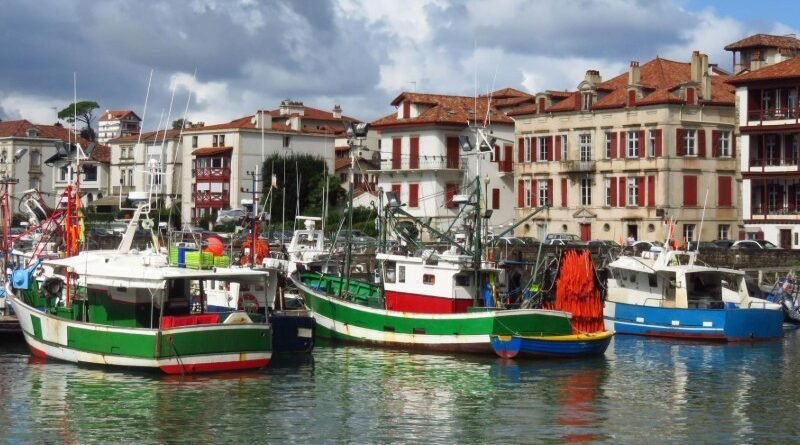
For transport operators, the support could help manage fuel-related operating expenses. Fisheries and aquaculture businesses, which also depend on fuel for vessel operations and associated activities, are among the sectors eligible for assistance.
EU State Aid Rules and Approval Conditions
The European Commission assessed the schemes under EU state aid rules, particularly Article 107(3)(c) of the Treaty on the Functioning of the European Union, alongside Sections 1, 2.1 and 2.2 of the Middle East Crisis Temporary State Aid Framework (METSAF). The framework was adopted on 29 April 2026.
The Commission determined that both schemes meet the framework’s requirements. The support will be delivered through schemes with clearly defined estimated budgets and is intended to provide temporary assistance to companies operating in agriculture, fisheries, aquaculture and transport.
According to the Commission’s assessment, the measures are necessary, appropriate and proportionate to support these economic activities without adversely affecting trading conditions to an extent contrary to the common interest.
Why the EU Fuel Aid Matters for Transport and Fisheries
Rising fuel costs can put pressure on business margins across transport and maritime-dependent industries. For shipping-related businesses, fishing operators and other fuel-intensive enterprises, higher expenses can affect operating budgets and the ability to sustain services.
The French schemes offer targeted financial relief through state-backed loans rather than direct grants. Their eligibility threshold, capped borrowing amounts and repayment structure are designed to direct assistance towards businesses with significant fuel-cost exposure.
However, the support is temporary and limited to eligible companies under the approved arrangements. Its broader impact will depend on how many businesses qualify, how effectively they access the loans and whether fuel prices remain elevated.
For the maritime economy, the inclusion of fisheries and aquaculture highlights the importance of energy costs to businesses connected to marine resources and transport networks. The decision also demonstrates how governments can use targeted financing measures, within EU state aid rules, to help businesses respond to external economic pressures.