Xi-Trump Summit Extends Shipping Trade Truce, Suspends Port Fees
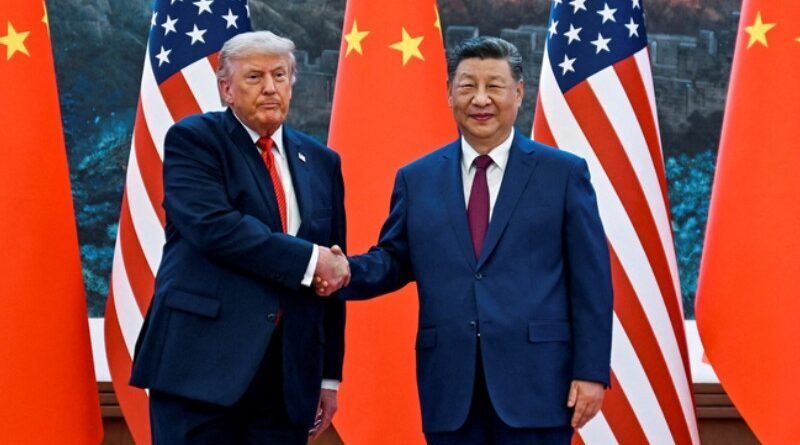
The Xi-Trump summit in Washington has given the global shipping industry, maritime trade and international supply chains temporary relief, with the United States and China extending their trade truce, opening opportunities for additional commodity flows and issuing a joint position against tolls on international waterways. The outcome could affect shipping costs, freight rates, port operations, dry bulk shipping and global supply chains.
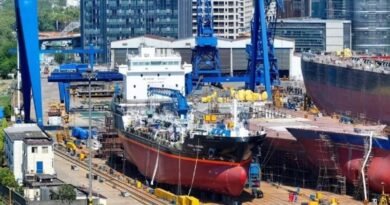
The most immediate development for international shipping is the two-month extension of the suspension of reciprocal port fees, from November 10, 2026, to January 10, 2027. The fees had become part of the wider US-China trade dispute, with Washington targeting Chinese-built and Chinese-operated vessels and Beijing responding with measures affecting US-linked ships.

Shipping Industry Gains Temporary Port Fee Relief
More than 200 shipping and trade associations, including the International Chamber of Shipping and World Shipping Council, had called on Washington to extend the suspension. They argued that reinstating the charges could distort vessel deployment and add costs to already strained supply chains.
The extension provides shipowners, operators and maritime businesses with additional time before the suspended charges could return. However, it does not resolve the broader US-China disagreements over shipbuilding, maritime policy and supply-chain control.
US Coal Imports Create New Dry Bulk Opportunities
The dry bulk shipping sector received a more tangible boost from China’s commitment to import at least 10 million tonnes of US coal in 2027 and another 10 million tonnes in 2028. The White House confirmed the coal commitment as part of the summit outcomes.
The two countries also reached consensus on recommendations for more favourable tariff treatment covering $30 billion of non-sensitive goods in each direction. For US exports, the categories include agricultural products, fish and seafood, logs and wood products, as well as cosmetics and medical devices.
The additional commodity commitments could support seaborne trade and create cargo opportunities for bulk carriers operating on US-China routes.
Critical Minerals Remain a Supply-Chain Priority
Washington and Beijing also agreed to continue addressing supply-chain shortages involving rare earths and other critical minerals.
The stated objective is to help shipment levels return to appropriate levels. These materials are important to global manufacturing, making their availability and transportation relevant to international logistics and maritime supply chains.
Tanker Shipping and International Waterways
Tanker shipping was another important element of the summit. Trump urged Xi to increase Chinese refined petroleum production to help stabilise global supply.
The two leaders also agreed that no country or institution can be allowed to impose tolls on international waterways. The statement has clear relevance to concerns surrounding the Strait of Hormuz and the cost and security of international maritime transportation.
No Breakthrough on US LNG
One major issue missing from the published summit outcomes was US LNG trade.
Before the summit, market participants had been watching for possible relief from Chinese tariffs that have restricted direct US LNG sales. However, no LNG-specific agreement was included in the announced outcomes.
This leaves US-China LNG trade as an unresolved issue despite progress in other areas of the broader economic relationship.
Shipping Market Outlook after the Xi-Trump Summit
For the shipping market, the summit delivers practical short-term measures rather than a complete resolution of the wider US-China maritime dispute.
The port-fee suspension reduces immediate cost uncertainty for vessel operators, while China’s US coal commitments could increase demand for dry bulk shipping. Additional commodity trade and efforts to restore critical-mineral flows could also support maritime cargo movements.
At the same time, the absence of a US LNG agreement and the continuing issues surrounding shipbuilding, maritime influence and supply-chain control show that the underlying competition remains unresolved.
For shipping companies, ports and cargo owners, the immediate result is therefore a period of greater predictability: port fees remain suspended until January 10, 2027, new coal volumes have been identified for the coming years, and both countries have signalled continued engagement on trade and international waterways.