OPEC+ Ministers Urge Maritime Security to Protect Global Energy Supply
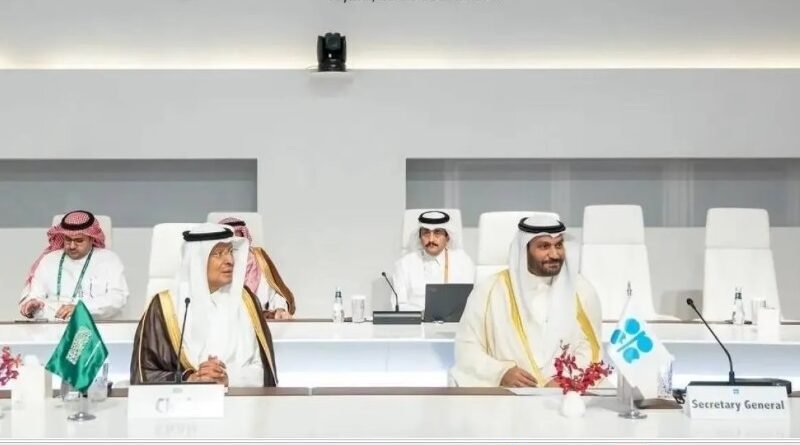
Ministers from OPEC and non-OPEC oil-producing countries have stressed the critical importance of safeguarding international maritime routes to maintain uninterrupted energy supplies, warning that disruptions to global shipping are driving up maritime transportation costs, marine insurance premiums, and oil supply chain expenses. The ministers highlighted these concerns during a meeting in Riyadh on Monday, held on the sidelines of the 17th International Energy Forum (IEF) Ministerial Meeting and the 25th World Petroleum Congress (WPC) Energy Congress.
The ministers warned that the interruption of energy flows has pushed shipping and insurance costs to unprecedented levels, exceeding one-third of the commodity’s value. From a maritime industry perspective, these rising expenses threaten the efficiency of crude oil transportation, increase pressure across global energy supply chains, and add to inflationary pressures in the international economy. The resulting cost increases affect both oil-producing and consuming countries, highlighting the economic importance of secure sea lanes and reliable maritime logistics.

During the meeting, the ministers reviewed current oil market conditions and agreed to continue consultations among all OPEC+ participating countries through established mechanisms, including the Joint Ministerial Monitoring Committee (JMMC) and the OPEC and non-OPEC Ministerial Meetings (ONOMM).
They also reaffirmed their commitment to the decisions adopted on June 7, 2026, during the 41st ONOMM, aimed at achieving and sustaining stability in the global oil market.
The ministers emphasized that disruptions to international maritime transportation have consequences extending beyond shipping operators and energy producers. Higher freight and insurance expenses can move through the entire oil value chain, increasing the financial burden on businesses, governments, and consumers while potentially constraining global economic growth. The statement underscored the close relationship between maritime security, energy market stability, and international trade, particularly where the uninterrupted movement of crude oil and petroleum products depends on dependable shipping routes.
OPEC+ ministers said they would continue monitoring developments and engaging with governments, industry stakeholders, and international organizations, including the International Energy Forum (IEF) and the International Energy Agency (IEA), to improve global shipping conditions. Their continued consultations are intended to address the challenges affecting energy transportation and support more stable conditions across international maritime supply chains.