
Balochistan Assembly Reviews Fisheries and Aquaculture Bill 2026 to Strengthen Sustainable Fisheries Management
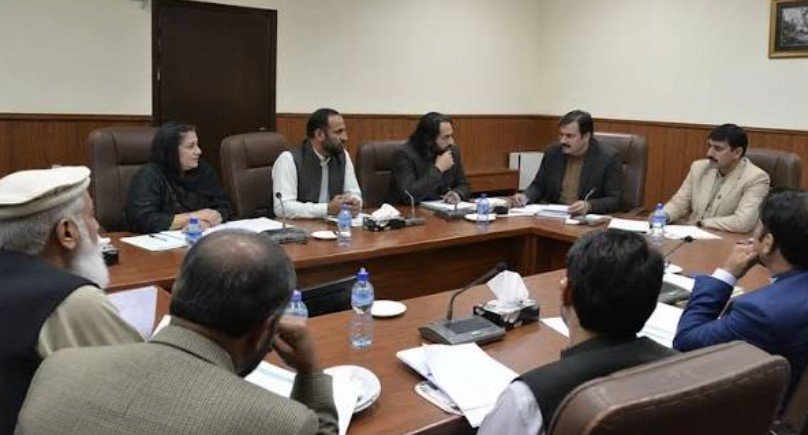
QUETTA: The Standing Committee on Fisheries of the Balochistan Assembly has reviewed the Fisheries and Aquaculture Bill 2026, which seeks to modernise the province’s fisheries management, strengthen sustainable fisheries and aquaculture, and consolidate laws governing coastal resources and related maritime activities.
The proposed legislation aims to establish a unified framework covering fisheries licensing, aquaculture, harbour management, digital governance, monitoring, environmental protection and fishermen’s welfare. The committee also stressed that fishermen, fish farmers and other stakeholders in Gwadar and Lasbela should be consulted before the bill is finalised.
The meeting was chaired by Maulana Hidayatur Rehman Baloch and attended by committee members Abdul Majeed Badini, Zafar Ali Agha, Barkat Ali Rind, Mir Zahoor Buledi and Safia Fazal.
Senior officials participating in the deliberations included Assembly Secretary Tahir Shah Kakar, Special Secretary Abdul Rahman, the Director General of Fisheries and representatives of the Law Department.
During the meeting, the committee was briefed on the existing legal framework governing fisheries and coastal development in Balochistan. Officials said several laws are outdated and fragmented, creating administrative gaps and overlapping institutional powers.

The laws identified during the briefing include the Balochistan Fisheries Ordinance 1961, Sea Fisheries Ordinance 1971, Pasni Fisheries Harbour Authority Ordinance 1983 and Coastal Development Authority Act 1998.
The proposed Fisheries and Aquaculture Bill 2026 is intended to address these gaps by bringing fisheries and aquaculture activities under a more integrated legal framework. Its provisions include sustainable fisheries management, aquaculture development, harbour management, licensing, digital governance, monitoring, environmental protection and the welfare of fishermen.
The legislation would therefore provide a broader regulatory structure for managing Balochistan’s fisheries and coastal resources while improving coordination among the institutions responsible for the sector.
Proposed Institutional Changes
The draft bill also proposes changes to the existing institutional structure. It recommends dissolving the Pasni Fisheries Harbour Authority and the Coastal Development Authority and transferring their assets, liabilities and responsibilities to the Department of Fisheries and Coastal Development.
The proposed restructuring is aimed at improving administrative efficiency and coordination in the management of fisheries and coastal development.
During the deliberations, committee Chairman Maulana Hidayatur Rehman Baloch expressed concern over the absence of the Fisheries Secretary. He stressed that senior officials should be present during discussions on important legislation so that the committee can properly examine all relevant aspects of the proposed law.
Stakeholder Consultation in Gwadar and Lasbela
A major focus of the meeting was the need for wider consultation before the bill is finalised.
Committee members emphasised that the views of local fishermen, fish farmers and other fisheries stakeholders should be incorporated into the legislation. They particularly called for consultation with stakeholders in Gwadar and Lasbela, where communities are directly connected with fisheries and coastal economic activities.
The committee decided that its next meeting would be held in Gwadar, where fishermen and other stakeholders will be invited to present their views on the proposed legislation.
If a formal committee meeting cannot be held, the members agreed that a seminar would be organised in Gwadar to obtain public and stakeholder input.
The committee also decided to involve representatives of the Finance Department and the Services & General Administration Department in future discussions on the bill.
Modern Fisheries Law Seen as Essential
The committee members unanimously agreed that modern and comprehensive legislation is necessary for the sustainable growth and effective management of fisheries and aquaculture resources in Balochistan.
At the same time, they stressed that legislative reform should be supported by meaningful consultation with the people and organisations directly associated with the sector.
The proposed bill comes against the backdrop of a fragmented legal framework governing fisheries, aquaculture, fisheries harbours and coastal development. The committee’s deliberations are focused on creating a more coordinated approach to maritime resource management, fisheries regulation, aquaculture development and coastal environmental protection.
For fishermen and fish farmers, the proposed legal framework could provide a more consolidated system covering licensing, monitoring and management of fisheries activities. However, the committee has made clear that stakeholder input will remain an important part of the process before the legislation is finalised.
The decision to hold the next deliberations in Gwadar is expected to provide an opportunity for coastal communities to directly communicate their concerns and recommendations regarding the Fisheries and Aquaculture Bill 2026.
The committee will therefore continue reviewing the proposed legislation with input from relevant government departments, fishermen, fish farmers and other stakeholders as it moves towards finalisation
Recommended Stories
- Sindh Government Unveils Major Fisheries Reforms, Ends Contract Fishing System to Empower Licensed Fishermen
- Pakistan Seafood Exports Hit Record US$568 Million in FY2025-26, Strengthening Blue Economy and Global Maritime Trade
- Asia Dominates Global Aquatic Food Production as Aquaculture and Fisheries Sector Expands: FAO