British Firm Begins Oil Spill Containment Operation for Stricken Tanker off Oman
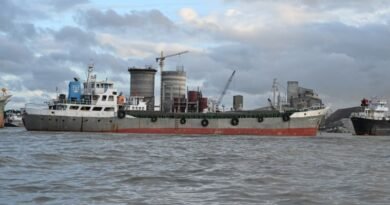
A British maritime response company has begun efforts to contain an oil spill from the grounded Russian shadow fleet tanker Caroline Bezengi off Oman, as the spreading slick threatens sensitive marine ecosystems and has now reached the country’s shoreline.
UK-based maritime risk and response company Ambrey said Thursday that it had been hired to salvage the tanker and prevent further oil pollution. Its personnel boarded the vessel with assistance from the Omani air force to assess its condition and begin stabilization efforts. The operation comes as satellite imagery shows the oil has spread across hundreds of square kilometers during stormy weather.
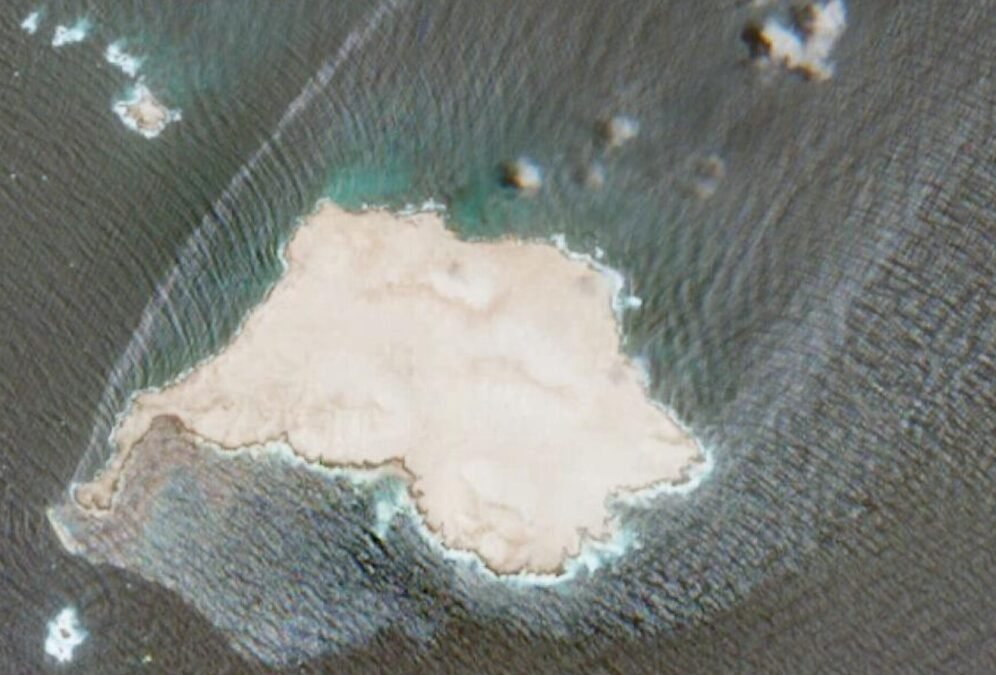
The environmental risk is particularly serious because the tanker is located near Qabiliyah Island, a marine protected area containing coral reefs, seagrass meadows, endangered turtles and breeding grounds for migratory birds. The area is also home to the rare Arabian Sea humpback whale. Oman’s Khareef monsoon season, which peaks in July and August, is adding another layer of difficulty to the oil spill response.
Tanker Salvage Complicated by Weather and Increasing Submergence
The Caroline Bezengi became grounded off Qabiliyah Island in southwestern Oman after an explosion of unclear cause in early June. Its cargo has previously been estimated at more than 800,000 barrels of oil.
Satellite images indicate that the tanker is increasingly submerged, raising concerns that the vessel could sink or break open and release its entire cargo. Such an event could transform the existing offshore oil spill into a much larger maritime environmental disaster.
Ambrey Global Response Director Ed Wollaston described the salvage operation as extremely challenging because of the adverse weather conditions associated with the Khareef monsoon. The company has not provided an estimate for how long the salvage operation will take or what it will cost.
From a maritime risk perspective, the increasing submergence of the tanker is particularly concerning. The immediate priority is not simply removing oil already visible on the sea surface but stabilizing the casualty before additional cargo escapes. The combination of a large oil cargo, rough seasonal weather and limited infrastructure in the remote area makes containment and salvage significantly more complex.
Oil Spill Reaches Oman’s Coastline
Oman’s Environment Authority said Wednesday that oil from the incident had reached the shores of Ras Madrakah, more than 200 kilometers, or more than 120 miles, north of Qabiliyah Island. Authorities estimated that the spill could travel more than another 100 kilometers north toward Masirah Island.
The movement of the oil from offshore waters toward the shoreline has increased the environmental challenge. Greenpeace campaigner Hanen Keskes said it was extremely concerning that the spill had reached coastal areas, where oil can contaminate sediments.
Once crude oil reaches beaches, coastal wetlands or seabed sediments, cleanup can become considerably more complicated than containment at sea. The environmental consequences can also continue long after surface oil has been removed, particularly in habitats supporting marine species and migratory birds.
The remote location of Qabiliyah Island presents an additional operational challenge. Limited infrastructure means response teams must work under difficult conditions while maintaining safety during salvage, containment and environmental cleanup operations.
Caroline Bezengi Linked to Russia’s Shadow Fleet
The 247-meter (899-foot) Caroline Bezengi is believed to be part of Russia’s so-called shadow fleet, a network of vessels associated with transporting Russian oil while operating outside conventional Western shipping restrictions. The vessel has been sanctioned by the British government and the European Union for carrying Russian oil cargoes.
According to geospatial data tracking company SynMax Maritime, the tanker departed the Black Sea port of Novorossiysk, Russia, in May. Its owners are believed to be based in Shanghai. The vessel is unflagged, while its insurance status remains unclear.
These factors add another dimension to the incident because oil spill response normally depends on clear arrangements covering vessel ownership, insurance, liability and salvage responsibilities. When a vessel is unflagged and its insurance status is uncertain, resolving financial and legal responsibilities for a major environmental response can become more complicated.
Oman Oil Spill Adds to Regional Maritime Environmental Risks
The Caroline Bezengi incident is unfolding alongside another oil pollution response in the wider region. Off Iran, authorities are cleaning up an oil spill near Qeshm Island in the Strait of Hormuz, which has been attributed to the conflict between Iran and the United States.
Iran has said it should receive compensation for its efforts to contain the environmental damage.
Analysis: A Growing Test for Maritime Oil Spill Response
The Caroline Bezengi incident highlights how quickly a tanker casualty can develop into a wider maritime environmental crisis. What began with an explosion and grounding has evolved into a difficult combination of oil spill containment, tanker salvage, coastal pollution and marine ecosystem protection.
The most critical factor now is preventing the tanker from deteriorating further. If the vessel sinks or its hull breaks open, the release of its estimated cargo of more than 800,000 barrels could substantially increase the scale of the pollution. The arrival of oil on Oman’s coastline also means that response efforts must increasingly focus on both offshore containment and coastal environmental protection.
The incident also demonstrates the broader risks associated with aging or poorly documented vessels operating within complex international shipping networks. For Oman, the challenge is particularly significant because the affected region contains protected marine habitats and valuable coastal ecosystems while facing difficult seasonal weather conditions.
As Ambrey and Omani authorities continue the response, the success of the operation will depend on stabilizing the tanker, limiting additional oil discharge and preventing the contamination from moving farther along Oman’s coastline. The incident is therefore not only a salvage operation but a major test of oil spill response, maritime safety and environmental protection in the Arabian Sea.
Read:Ukraine Targets Russia’s Major Black Sea Oil Hub Novorossiysk in Escalating Energy War Strategy