Canada Funds Small Craft Harbour Upgrades to Boost Fisheries and Coastal Resilience
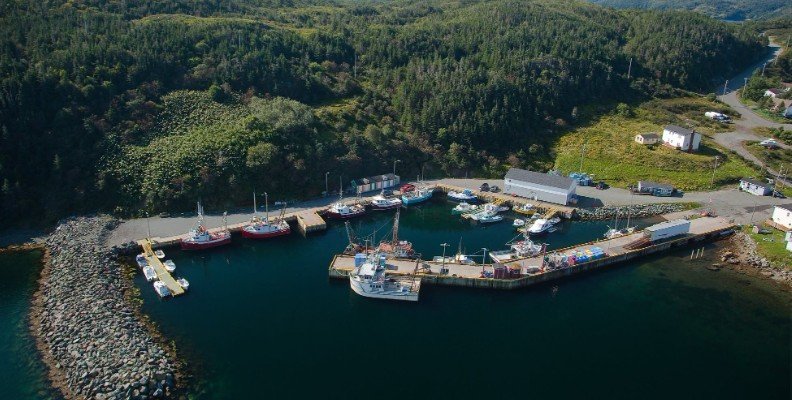
The Government of Canada has announced new investments to upgrade critical small craft harbour infrastructure on the Burin Peninsula in Newfoundland and Labrador, supporting marine infrastructure development, sustainable fisheries, coastal resilience, and regional economic growth. The funding will support the repair and reconstruction of the breakwater at the small craft harbour in Fortune and dredging work at the small craft harbour in Burin, ensuring safer navigation and improved operational capacity for commercial fishing and marine activities.
According to the Government of Canada, small craft harbours are essential assets for coastal and rural communities, providing the foundation for the country’s commercial fishing industry, aquaculture sector, seafood processing, and marine transportation networks. Canada’s fisheries and seafood sectors support nearly 65,000 jobs nationwide, including more than 42,900 commercial fish harvesters. In 2025, Canada’s fish and seafood exports reached $8.47 billion, with Newfoundland and Labrador contributing approximately $1.75 billion to the country’s seafood export economy.
The projects are part of the Spring Economic Update 2026, which includes nearly $1 billion in federal investment over five years to repair, maintain, and modernize Canada’s small craft harbour network. The initiative aims to create a safer, climate-resilient, and more efficient harbour system capable of supporting coastal economies and adapting to increasing marine and weather-related challenges.
Canada’s Minister of Fisheries and Member of Parliament for St. John’s East, the Honourable Joanne Thompson, announced the funding as part of the government’s commitment to strengthening critical infrastructure across coastal regions. The Fortune Harbour project will focus on reconstructing and improving the harbour entrance breakwater, enhancing protection against severe weather, high wave conditions, and coastal pressures. The upgraded structure will reduce wave action inside the harbour, improve vessel safety, protect marine infrastructure, and support continued ferry operations between Fortune and St. Pierre et Miquelon, France. Construction is expected to begin in 2027.
The Burin Harbour improvement project will involve dredging accumulated sediment from the harbour basin to restore safe navigational depths. The project will enable commercial fishing vessels to access the harbour more efficiently, improve vessel movement, and support fish harvesters by maintaining reliable infrastructure for landing catches. Completion of the dredging work is expected in 2027.
The Government of Canada stated that Fisheries and Oceans Canada manages nearly 950 small craft harbours valued at approximately $7.1 billion, with this infrastructure supporting around 90 per cent of Canada’s fish harvest. These harbours also contribute to wider maritime sectors, including shipbuilding, marine services, tourism, seafood logistics, and coastal supply chains.
“These investments for Fortune and Burin small craft harbours are important for the region as a whole. These projects enhance safety, improve operational capacity, and help secure the future of essential harbours that support local communities. Our government is proud to invest in infrastructure that not only meets today’s needs but also lays the foundation for prosperity and resilience for decades to come,” said the Honourable Joanne Thompson, Minister of Fisheries.
Investment in small craft harbour modernization represents a strategic approach toward strengthening Canada’s blue economy by improving the resilience of coastal infrastructure that directly supports fisheries, marine transportation, and regional supply chains. As climate change increases risks from storms, coastal erosion, and extreme marine conditions, upgrading breakwaters, maintaining navigation channels, and improving harbour safety are becoming essential components of sustainable maritime development. The Fortune and Burin projects demonstrate how targeted infrastructure investments can protect economic assets, secure livelihoods of fishing communities, and enhance the long-term competitiveness of coastal economies.