China Arbitration Summit 2026 Highlights Maritime and Commercial Arbitration
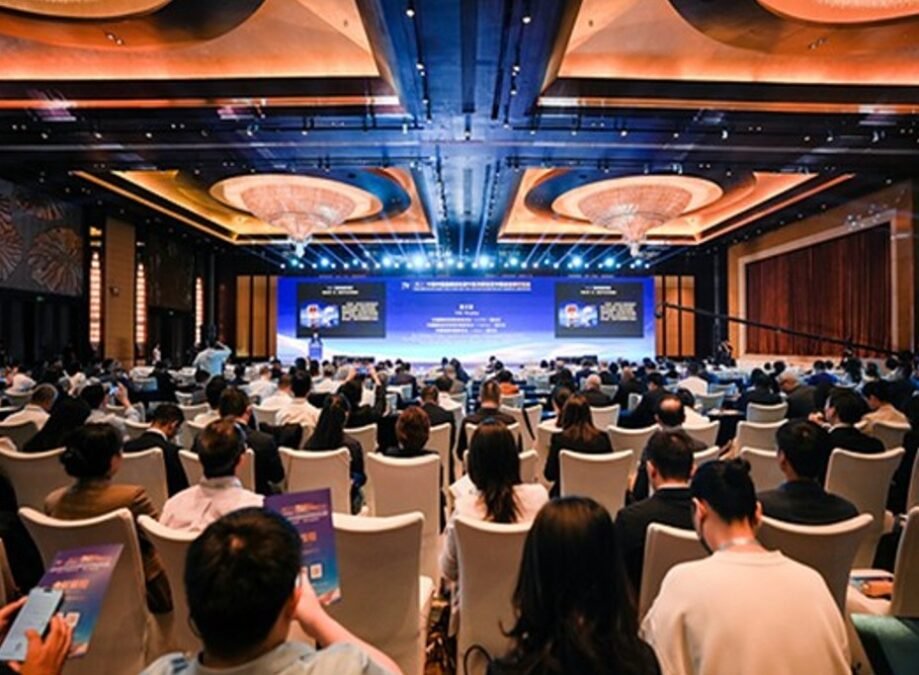
The China Arbitration Summit 2026 and China High-level Dialogue on Maritime and Commercial Arbitration were held in Beijing on September 18, bringing together international experts to discuss maritime arbitration, commercial arbitration, international dispute resolution and cross-border trade. Nearly 390 representatives from 41 countries and regions attended the event in person, while online coverage generated more than 5.14 million views from 55 countries and regions.
The event was jointly hosted by the China International Economic and Trade Arbitration Commission (CIETAC), China Maritime Arbitration Commission (CMAC), United Nations Commission on International Trade Law (UNCITRAL) and All China Lawyers Association (ACLA). Discussions focused on the development of international arbitration, technology-enabled services, arbitration rules and cooperation in resolving complex commercial and maritime disputes.
China Calls for Innovation in International Arbitration
In his remarks, Nie Wenhui, Vice Chairman of the China Council for the Promotion of International Trade (CCPIT), called for innovation in arbitration theory, institutions, practice and culture.
He also called for rules that respond to contemporary requirements, technology-enabled arbitration services and an open and inclusive arbitration ecosystem.
The emphasis on innovation comes as international arbitration increasingly deals with complex cross-border commercial relationships and rapidly developing digital technologies.
Chinese Courts Strengthen Support for Arbitration
Gao Xiaoli, Vice President of the Supreme People’s Court and Justice of the Second Rank, said Chinese courts have worked to create an “arbitration-friendly” judicial environment through judicial interpretations, annual reports and joint training for arbitrators and judges.
She said courts would continue improving the judicial review of arbitration and supporting its role in international commercial dispute resolution.
Read:BMT Launches Maritime Autonomous Systems E-Learning Course as IMO MASS Code Takes Effect
For businesses involved in international trade, infrastructure and maritime commerce, judicial review is an important part of the wider arbitration framework because it connects arbitral proceedings with the court system.
Anna Joubin-Bret, Secretary of UNCITRAL, noted that the forum coincided with the 60th anniversary of UNCITRAL and the 70th anniversary of CIETAC.

UNCITRAL and CIETAC Mark Major Milestones
She commended CIETAC’s participation in UNCITRAL discussions on emerging issues, including electronic arbitral awards and artificial intelligence in arbitration.
The discussion highlights the growing role of technology in arbitration, particularly as digital evidence, electronic documentation and technology-assisted legal processes become increasingly relevant to international commercial disputes.
CIETAC Releases 12 Belt and Road Arbitration Cases
CIETAC also released the CIETAC Belt and Road International Arbitration Typical Cases, comprising 12 representative cases involving disputes across multiple regions and sectors.
The cases cover mining, rail transit, port trade, energy infrastructure, engineering projects and enforcement of awards.
The release provides examples of disputes arising from major cross-border commercial and infrastructure activities connected with the Belt and Road framework.
Arbitration Institutions Expand International Cooperation
During the event, CIETAC signed cooperation agreements with arbitration institutions from Africa, Kyrgyzstan and Vietnam.
The agreements cover joint events, information sharing, arbitrator recommendations and hearing facilities.
The arrangements expand institutional cooperation in international arbitration and provide mechanisms for greater coordination between participating arbitration institutions.
Experts Discuss Arbitration in a Changing World
More than 30 Chinese and international experts participated in discussions under the theme “International Arbitration in a Changing World.”
The discussions examined arbitration order, governance and core values, reflecting the broader challenges facing international dispute resolution as trade, technology and commercial relationships continue to evolve.
From a maritime and commercial perspective, the issues discussed are relevant to businesses involved in shipping, port trade, infrastructure, energy and international commerce, where contractual disputes can involve parties from multiple jurisdictions.
The event was the flagship programme of the 14th China Arbitration Week, which featured 77 seminars across 40 cities in 10 countries and regions from September 15 to 21.
Read:IMO Joins ATLAS Initiative to Strengthen Maritime Law and Safety for Nuclear Technologies at Sea