
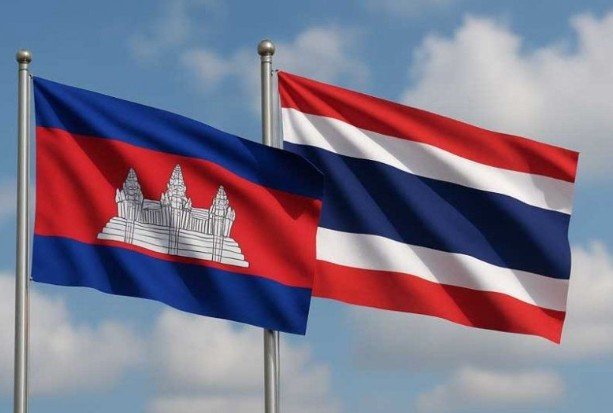
Thailand Reaffirms Maritime Boundary Focus in UNCLOS Talks with Cambodia
Thailand has reaffirmed maritime boundary delimitation as the key focus of its ongoing UNCLOS proceedings with Cambodia, with Deputy Prime Minister and Foreign Minister Sihasak Phuangketkeow saying Bangkok has presented its position in accordance with international law.
Following the first meeting of the UNCLOS Conciliation Commission in Singapore on September 16, 2026, Sihasak said Thailand had responded to the Commission’s questions and clearly outlined its position on the maritime boundary issue. Both Thailand and Cambodia presented their respective positions during the meeting.

The Thai delegation, comprising officials from the Ministry of Foreign Affairs and relevant government agencies, is now preparing for the next meeting in The Hague, Netherlands. Cambodian representatives have also agreed to attend the upcoming discussions.
The proceedings concern maritime delimitation between the two countries, while a separate issue involving reported activity along the Thailand-Cambodia land border has also drawn attention.
Sihasak was asked about reports that Cambodian troops had been digging trenches at Hill 450, near Chong Kradon and Chong Sa-ngam in Phu Sing District, Sisaket Province. He said the reported activity concerns the land border and is not directly part of the UNCLOS maritime conciliation process.
Read: Cambodia and Thailand to Begin UNCLOS Maritime Conciliation Talks Over Maritime Claims
However, the Deputy Prime Minister acknowledged that developments along the land border could influence the atmosphere of the discussions and affect mutual trust between the two sides.
Sihasak declined to speculate on whether the reported trench-digging was intended to create tensions during the UNCLOS meeting. He said the relevant authorities would first conduct a thorough factual investigation before any official conclusions were made.
The next meeting in The Hague will continue the Thailand-Cambodia maritime boundary conciliation process, with both sides continuing to present their positions within the framework of UNCLOS and international law.


