North Sea Cetacean Protection Crisis 2026: Whales and Dolphins at Risk from Shipping Noise, Fishing Activities, and Weak Marine Policies
Growing concern is mounting across the maritime and environmental sectors as a new conservation report warns that whales, dolphins, and porpoises remain at serious risk in the North Sea, highlighting gaps in marine protection policies and increasing pressure from shipping and offshore activities.
The latest Priority Actions for North Sea Cetaceans 2026 report, released by The Wildlife Trusts, reveals that despite large portions of UK waters being designated as protected zones, existing regulations are often weak, inconsistently enforced, and failing to keep up with evolving maritime threats. This has raised alarm within the global maritime community, particularly as shipping activity and offshore development continue to expand in key biodiversity zones.
Marine experts emphasize that the findings are critical not only for conservation but also for the future of sustainable maritime trade. Increasing vessel traffic, underwater noise pollution, and industrial activity are disrupting cetacean behavior, affecting feeding patterns, navigation, and communication systems essential for survival.
According to the report, the Flamborough Head region stands out as one of the most vital feeding grounds for cetaceans. However, it is also highly exposed to shipping routes and offshore operations, creating a challenging balance between economic activity and marine ecosystem protection.
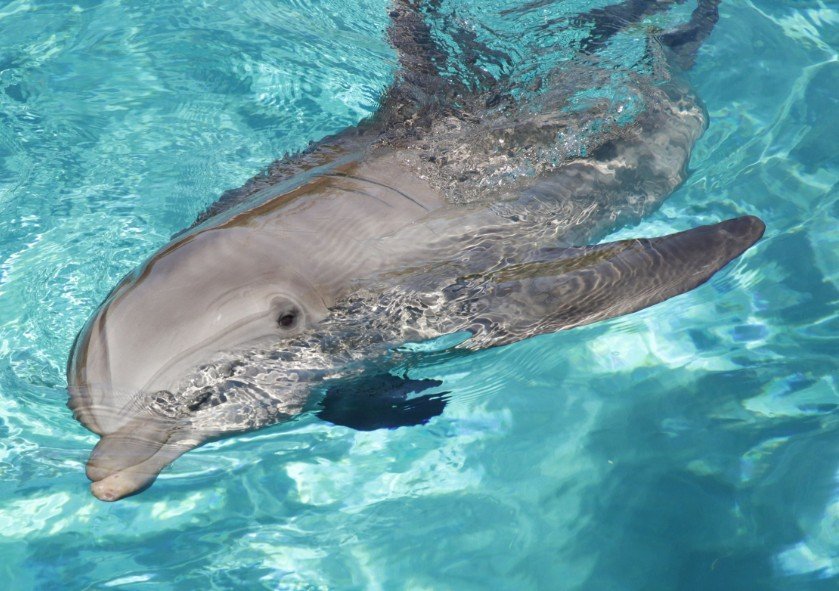
The UK waters host around 28 cetacean species, making the region a significant hotspot for marine biodiversity. Among the most commonly sighted species are harbour porpoises, white-beaked dolphins, and minke whales, all of which are increasingly vulnerable to human-induced pressures.
From a maritime industry perspective, the report underscores how commercial shipping and port logistics are becoming intertwined with environmental responsibility. The expansion of global shipping routes and ocean freight networks has intensified underwater noise levels, which scientists identify as a major threat to marine mammals. This has triggered calls for the shipping industry to adopt quieter vessel technologies and optimize navigation routes to reduce ecological disruption.
Conservation leaders argue that simply designating Marine Protected Areas is no longer sufficient. Effective management, stricter enforcement, and real-time monitoring are urgently needed to ensure these zones deliver meaningful protection. The report highlights the need for targeted measures such as seasonal fishing restrictions, improved regulation of offshore developments, and strategic adjustments to shipping lanes.
The issue also reflects broader challenges within the global shipping industry, where sustainability is rapidly becoming a central concern. As international trade continues to grow, balancing economic expansion with environmental preservation is emerging as a key priority for governments and maritime stakeholders alike.
In response, the government has stated it is taking steps to address these concerns, including collaboration with fisheries to develop safer fishing gear and reduce abandoned equipment that contributes to marine pollution. Efforts are also underway to cut marine litter and improve ecosystem health.
Additionally, a national cetacean conservation strategy has been introduced, aiming to strengthen protections for marine mammals across UK waters. Authorities report early signs of progress, including a rise in grey seal populations and reduced plastic ingestion among seabirds, indicating that coordinated action can deliver measurable results.
However, conservation groups caution that progress remains too slow and lacks clear targets or timelines. Without decisive and accelerated action, the region risks further biodiversity loss, which could ultimately impact fisheries, tourism, and even maritime operations dependent on healthy ocean ecosystems.
Volunteers and coastal monitoring groups continue to play a vital role in observing marine life along the coastline, often reporting sightings of dolphins and larger marine mammals. Their contributions provide valuable real-time insights into changing marine patterns and highlight the growing intersection between community engagement and ocean conservation.
The report ultimately calls for a unified approach involving governments, maritime industries, and environmental organizations to safeguard marine ecosystems while supporting sustainable shipping growth. As global maritime trade intensifies, the future of ocean biodiversity will depend heavily on how effectively these competing priorities are managed.
With increasing global focus on green shipping, sustainable port operations, and eco-friendly maritime practices, the findings serve as a timely reminder that protecting marine life is not just an environmental issue, but a critical component of long-term economic and maritime stability.