Germany Sends Naval Vessels to Red Sea Ahead of Potential Strait of Hormuz Security Mission
Germany has deployed two naval vessels to the Red Sea as preparations continue for a possible international mission to help secure the Strait of Hormuz, one of the world’s most important shipping corridors for oil, gas, and global trade.
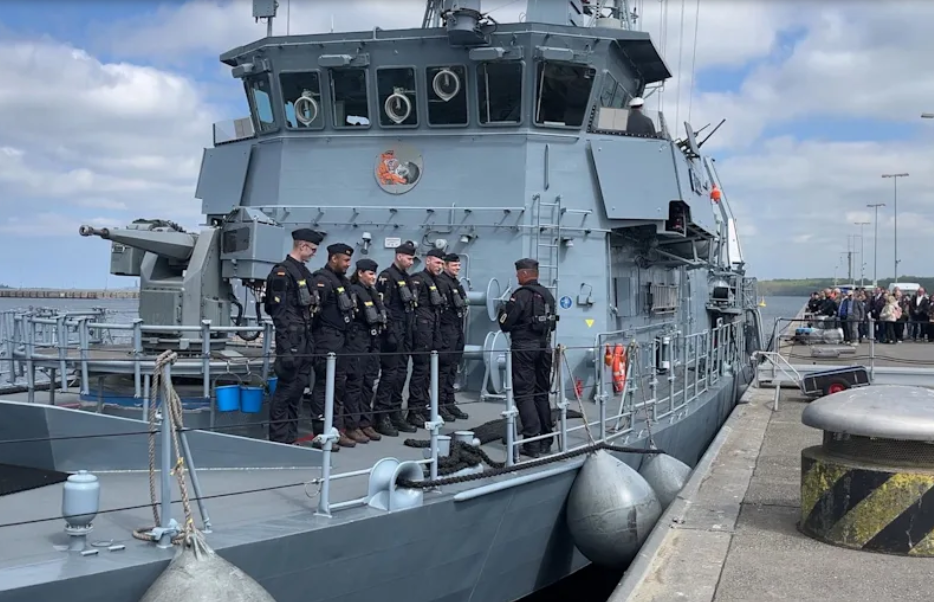
German Defence Minister Boris Pistorius announced on Thursday that the German Navy minesweeper Fulda and the support ship Mosel are currently sailing through the Suez Canal toward the Red Sea. The move comes shortly after U.S. President Donald Trump signed an agreement with Iran aimed at ending a conflict that disrupted global energy supplies, maritime trade, and shipping operations in the region.
Speaking before a meeting of NATO defense ministers in Brussels, Pistorius said Germany is positioning its assets in case a mine-clearing operation becomes necessary. However, he noted that any German participation would require approval from both Iran and Oman and would also depend on the outcome of ongoing discussions between Tehran and Washington.
Alongside the vessels, Germany is deploying underwater drones, mine divers, and vessel protection teams to support potential maritime security and demining efforts.
The Strait of Hormuz remains a major concern for the global shipping industry. Maritime security specialists warn that even if tensions continue to ease, clearing potential mine threats and restoring normal vessel movements could take several weeks. Safe navigation routes would need to be verified before commercial traffic can fully resume.
France and the United Kingdom have been promoting plans for a multinational naval mission to help secure the strategic waterway. However, diplomatic sources say Iran has signaled strong opposition to any foreign military presence in the area and could seek to impose transit fees on vessels using the route—an option that European nations consider unacceptable.
Greece has also indicated that it is prepared to support future demining operations. Government officials in Athens said the country remains ready to contribute assets if required, although no operational decision has been made.
Shipping and insurance industry leaders continue to monitor the situation closely. Sheila Cameron, Chief Executive Officer of the Lloyd’s Market Association, said the threat posed by naval mines remains a significant obstacle to the full restoration of trade through the region.
Read: Iranian Oil Tankers Cross Strait of Hormuz Blockade Line Ahead of US-Iran Peace Talks
She emphasized that continuous monitoring of key shipping lanes is necessary to provide confidence and reassurance to shipowners, operators, and seafarers navigating the area.
Industry organizations share similar concerns. Jakob Larsen, Chief Safety and Security Officer at BIMCO, said commercial shipping is unlikely to return immediately to pre-conflict levels. He noted that credible assurances from all parties involved will be required before vessel traffic can normalize.
According to maritime security experts, establishing verified mine-free shipping corridors will be essential for restoring confidence in one of the world’s busiest maritime chokepoints. The Strait of Hormuz remains a vital route for global crude oil exports, LNG cargoes, and international trade, making its security a priority for governments, shipping companies, and energy markets worldwide.