Trump Launches ‘Project Freedom’ to Assist Stranded Vessels in Strait of Hormuz amid Escalating Maritime Tensions
US President Donald Trump has announced that the United States will begin guiding stranded commercial vessels through the strategically vital Strait of Hormuz starting Monday, in a move he described as part of a wider maritime initiative called “Project Freedom.”
In a statement shared on social media, Trump said the operation is intended to ensure safe passage for ships trapped in one of the world’s most critical energy corridors, adding that it serves “the good of Iran, the Middle East, and the United States.” He did not specify which nations’ vessels would receive direct assistance.
Trump warned that any interference with the operation would be met with a “forceful response,” escalating concerns over growing Strait of Hormuz maritime security risks.
Heightened Shipping Risks in the Strait of Hormuz
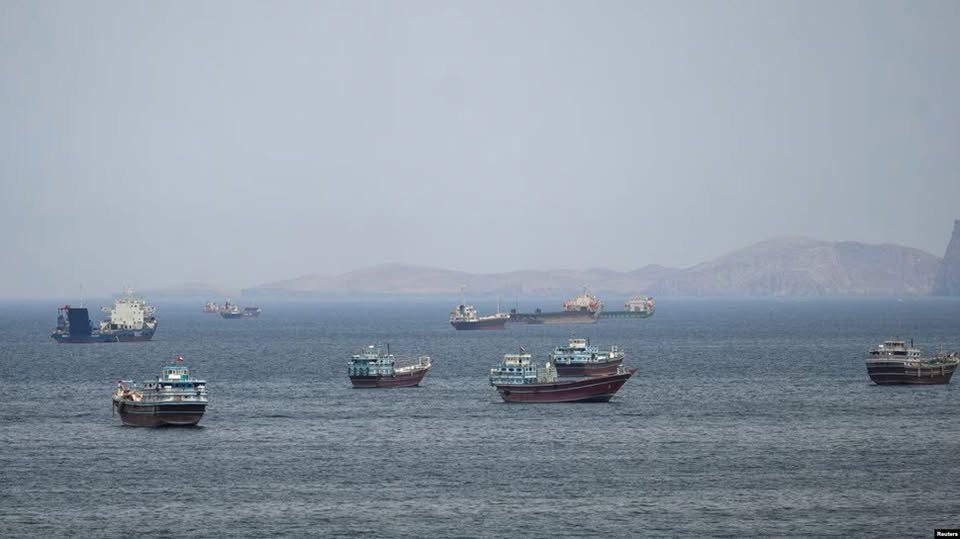
The announcement comes at a time of severe disruption in the Strait of Hormuz shipping route, where Iran has reportedly restricted vessel movements since the conflict escalated in February. The United States has also enforced a naval blockade on Iranian ports, further intensifying tensions in the region.
Iranian lawmaker Ebrahim Azizi, a former Islamic Revolutionary Guards Corps commander, responded by stating that any US involvement would be considered a violation of the ceasefire agreement.
Massive US Naval Deployment Under ‘Project Freedom’
According to US Central Command, the operation will involve approximately 15,000 military personnel, guided-missile destroyers, and more than 100 aircraft, highlighting the scale of the US naval deployment in the Gulf region.
Officials estimate that around 20,000 sailors have been stranded in the Gulf since the conflict began, raising serious concerns over logistics, supply shortages, and crew welfare, including both physical and mental health conditions aboard vessels.
Global Energy Security at Risk
The Strait of Hormuz remains one of the most critical global oil shipping chokepoints, with nearly 20% of the world’s crude oil and liquefied natural gas (LNG) passing through it. Continued instability has already contributed to volatility in global energy prices and oil supply chains.
Late Sunday, the UK Maritime Trade Operations (UKMTO) reported that a tanker in the Strait was struck by an “unknown projectile,” although no injuries were reported and the crew remained safe—further underscoring rising maritime security threats in the Middle East shipping lanes.
Geographically, the Strait of Hormuz connects the Persian Gulf to the Arabian Sea and is bordered by Iran to the north, and Oman and the United Arab Emirates to the south. Its deep waters make it essential for large crude oil tankers operated by major global energy exporters.
Diplomatic Signals Amid Military Posturing
Trump also indicated that US representatives were engaged in “very positive” discussions with Iran, suggesting that negotiations could lead to a broader diplomatic breakthrough, though he provided no operational details.
Iranian state-linked media reported that Tehran has received a US response to its latest peace proposal via Pakistan, and is currently reviewing it. However, the United States has not officially confirmed the exchange.
Iran’s proposed framework reportedly calls for the withdrawal of US forces near its borders, lifting of naval restrictions, and a comprehensive ceasefire covering regional conflicts, including hostilities in Lebanon. It also suggested a 30-day timeline for reaching an agreement.
Iranian officials, however, reiterated that nuclear negotiations are not currently on the table, despite Washington’s long-standing demand for restrictions on Iran’s nuclear program. Tehran maintains that its nuclear activities are peaceful, though it continues to enrich uranium at levels close to weapons-grade.
Rising Uncertainty in the Gulf Shipping Corridor
Trump also stated that further military action against Iran remains “a possibility” if conditions deteriorate, while emphasizing that the US would not withdraw from its current engagement in the region.
As tensions continue to rise, the Strait of Hormuz remains at the center of global attention, with maritime trade security, oil tanker safety, and geopolitical stability in the Gulf region increasingly under threat.